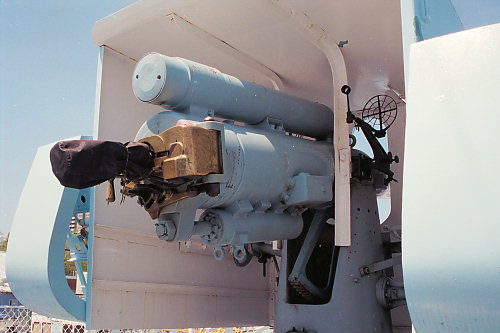
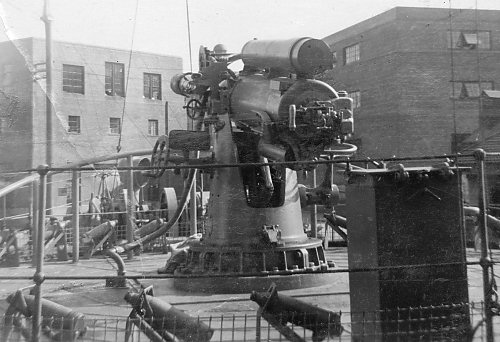
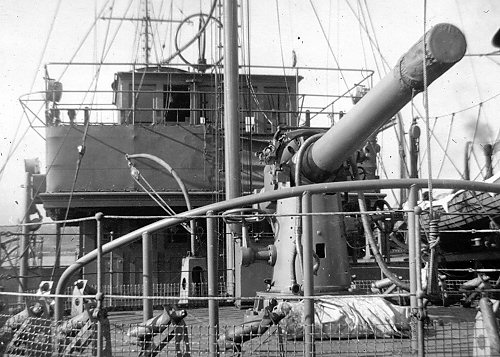
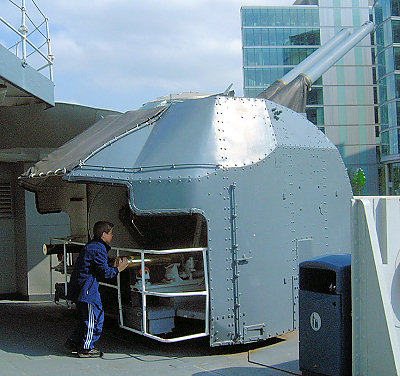
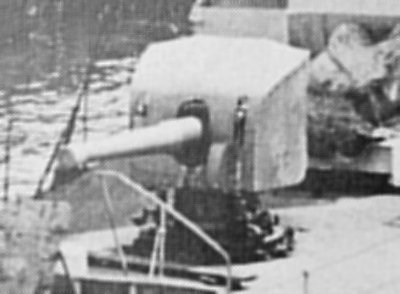
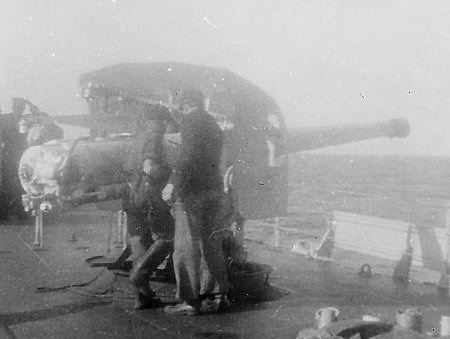
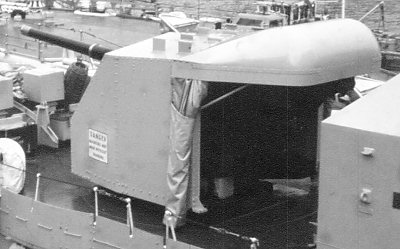
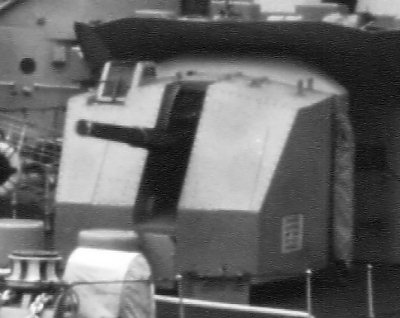
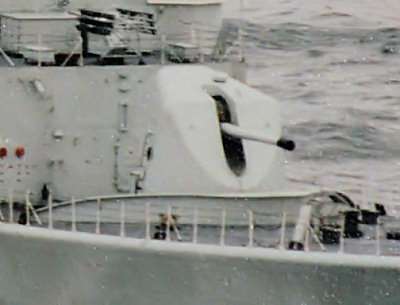
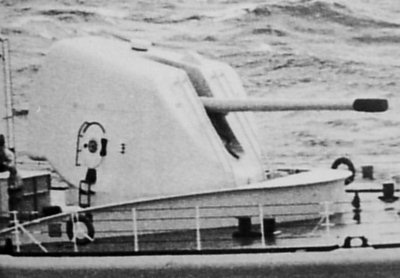
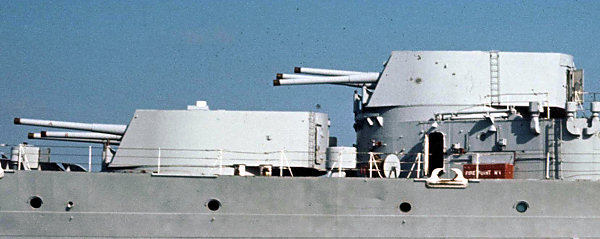
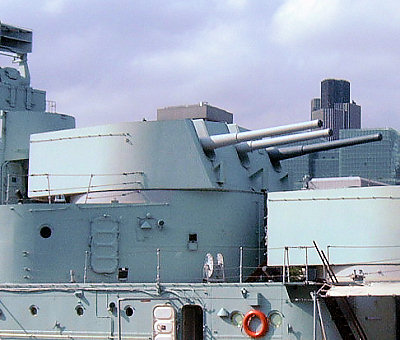
|
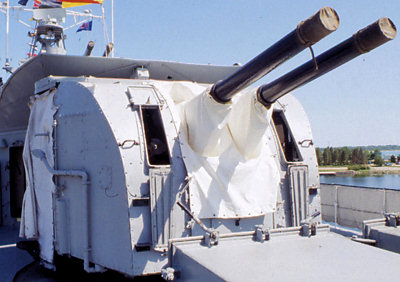
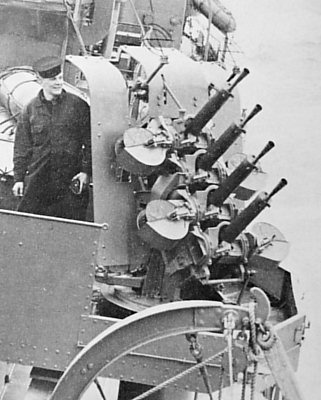
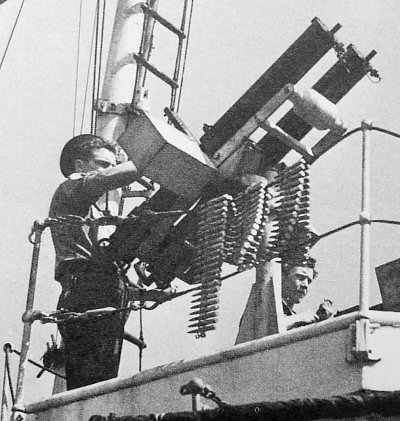
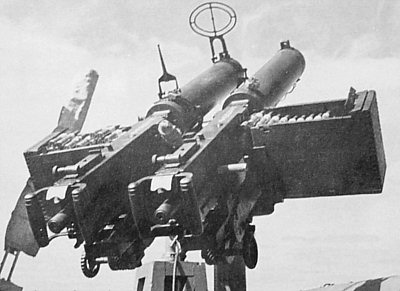
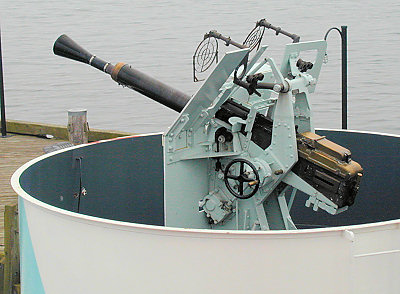
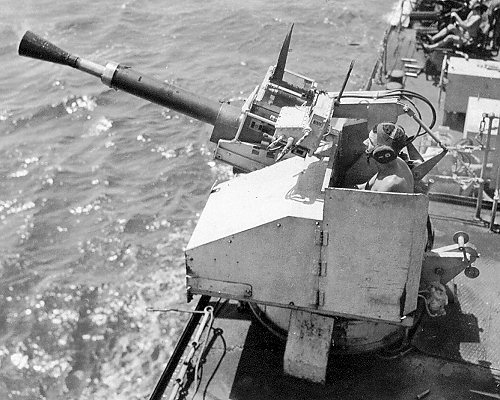
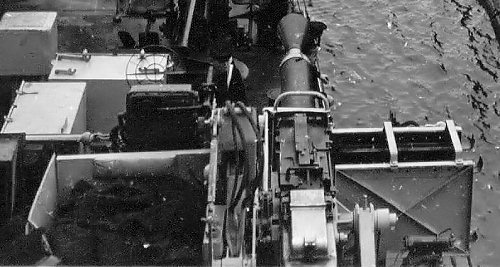
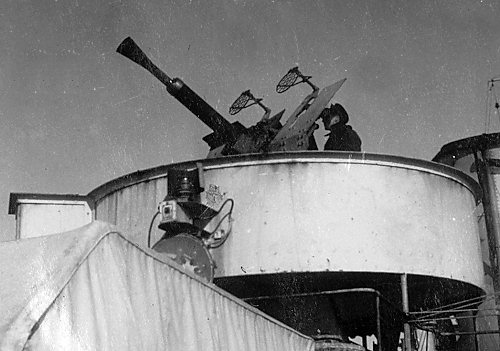
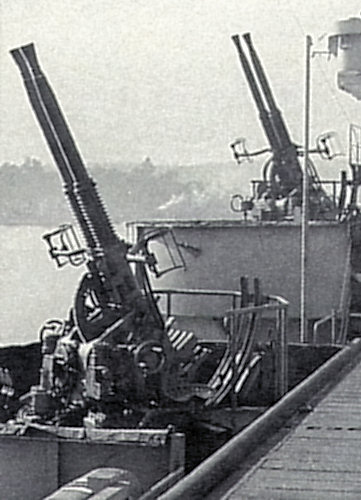
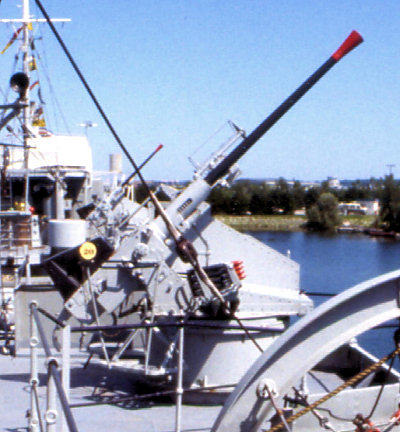
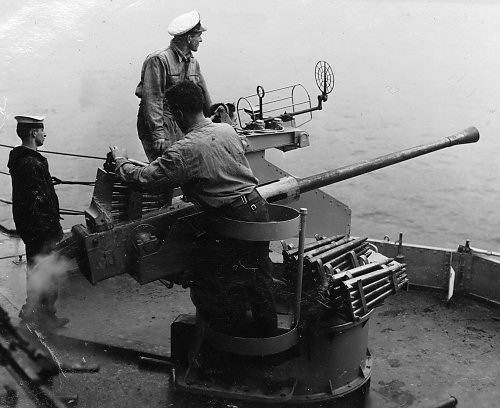
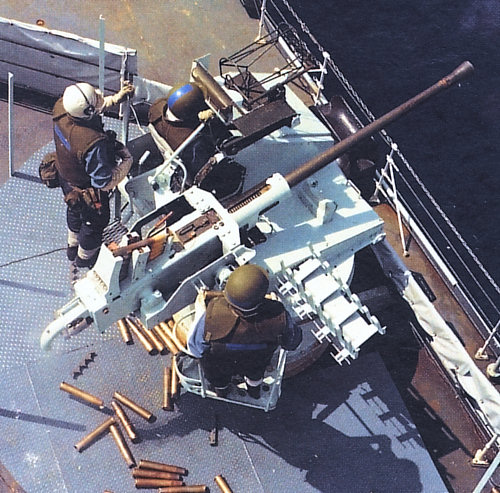
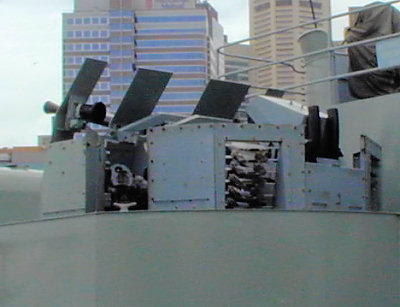
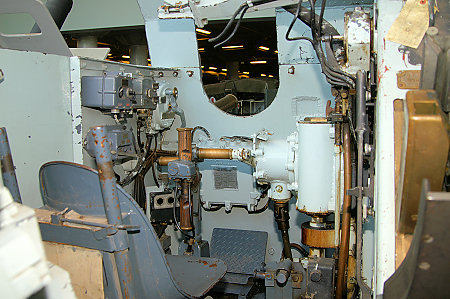
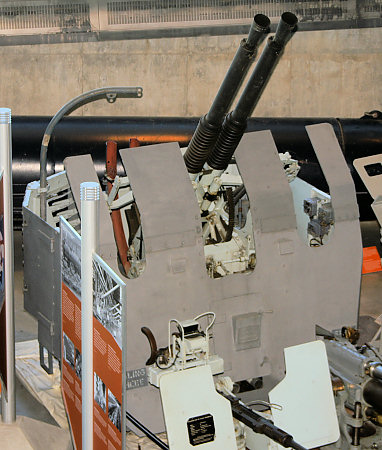
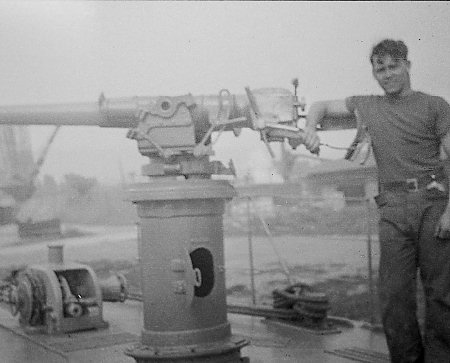
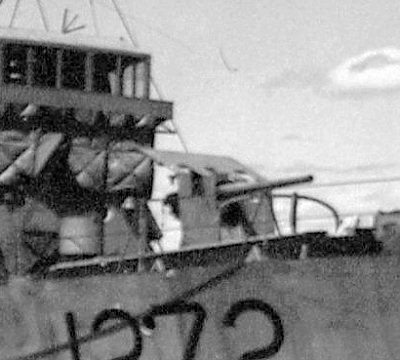
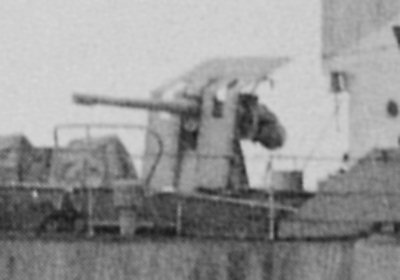
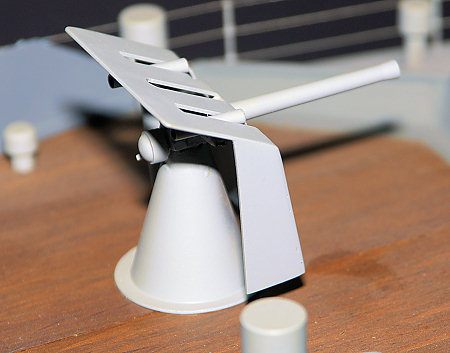
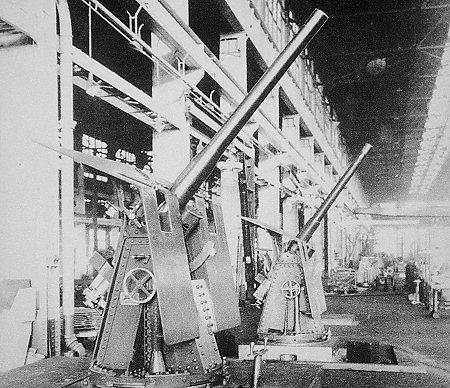
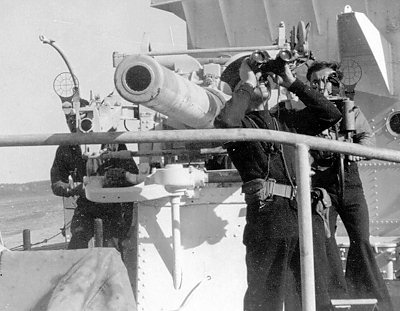
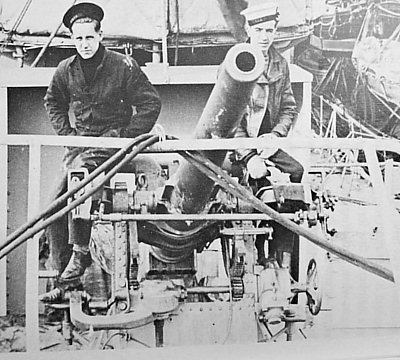
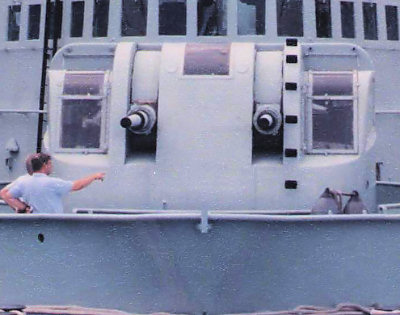
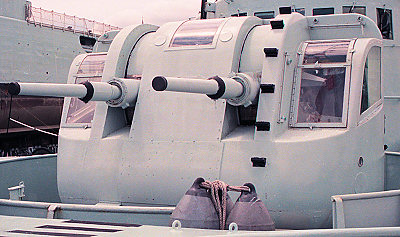
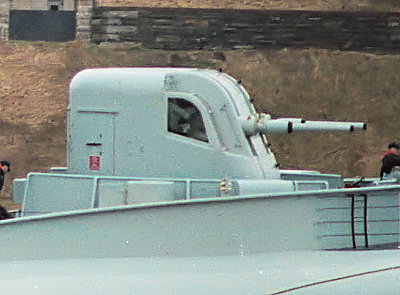
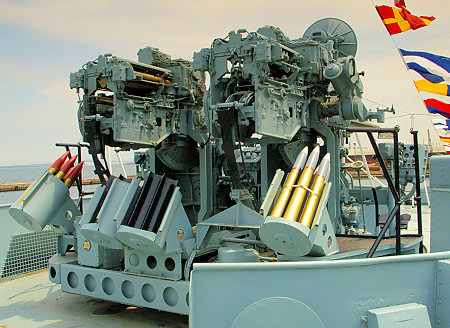
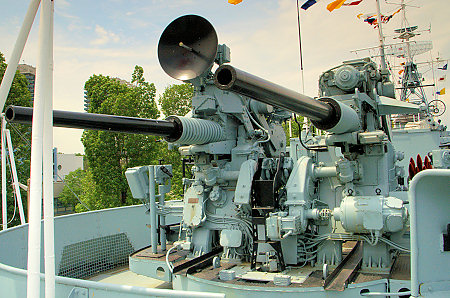
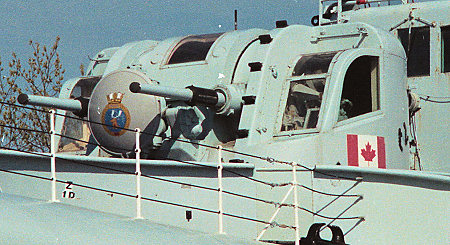
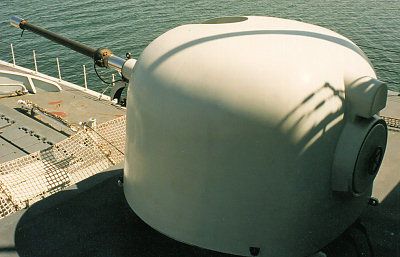
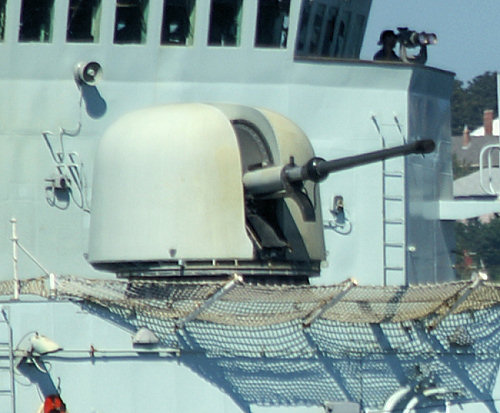
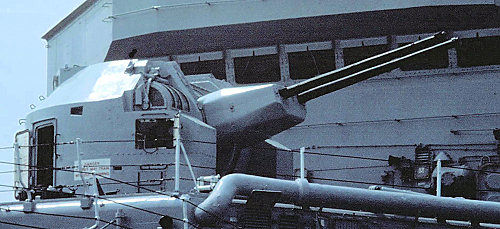
This is a basic list of the gun
systems used by the Canadian Navy. Not all guns are covered, and
individual systems are arranged by gun calibre. The different sources
upon which this page is based sometimes have
conflicting information and details, and some of the information seen
here has therefore been extrapolated from those conflicting sources.
The information provided herein is not intended to be a detailed
technical resource, but rather an inventory and identification aid for
gun systems used by the Canadian Navy.
This page includes a fair bit of guesswork, and corrections will be
welcomed!
Basic Definitions
|
AA
|
Anti-Aircraft
|
AAVT
|
Anti-Aircraft VT round,
for 3"/50 Mk.33.
|
"A" mounting
|
Gun mountings were given
designations based on their position on the ship. In general, "A"
mounting was located furthest forward, with "B" mounting located aft of
and above "A" mounting and before the bridge. "Y" mounting was located
furthest aft, with "X" mounting located immediately forward of and
above "Y" mounting.
|
APDS
|
Armour Piercing Discarding
Sabot, for Phalanx.
|
ASuW
|
Anti-Surface Warfare
|
BL
|
Breech Loading.
|
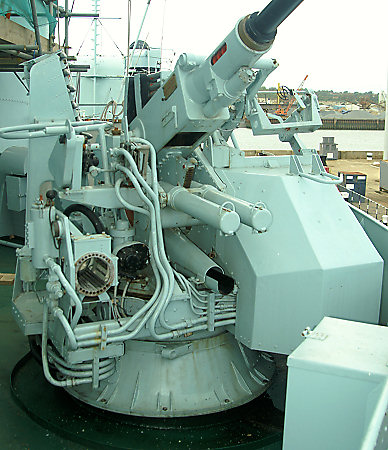
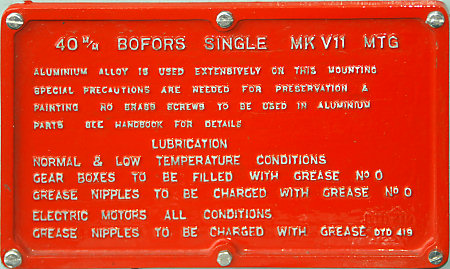
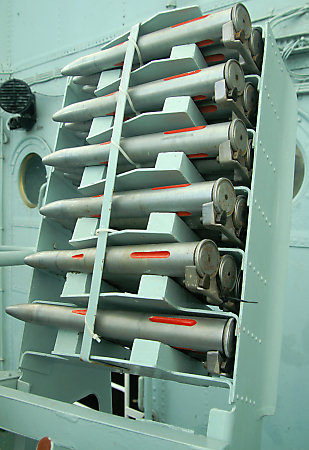
Bofors 40mm/56.25
|
The Bofors 40mm/56.25 gun
was used widely during WWII and long after, on a variety of different
mountings. Each mounting is listed separately below, despite the fact
that they used the same gun. Although frequently listed as being 60
calibre, this gun was actually
56.25 calibre. |
C
|
Sometimes used as suffix
to
designate Canadian versions of foreign equipment (i.e. Oerlikon Mk.VC
mounting is Canadian version of Oerlikon Mk.V mounting). However, this
is not always the case.
|
Calibre
|
Barrel interior (or bore)
diameter. "Calibres" is a measure of the length of the barrel in
multiples of the diameter of the projectile (i.e. 3"/70 gun barrel has
a bore diameter of 3", and a length of 70 times
longer than the barrel interior diameter or bore).
|
CIWS
|
Close-In Weapons System
|
CPBC
|
Common Pointed Ballistic
Cap, later changed to SAPBC (Semi-Armour Piercing Ballistic Cap).
|
DART
|
Driven Ammunition Reduced
Time of flight (for 76mm/62 gun)
|
DP
|
Dual Purpose, indicates
that gun is used in both AA and ASuW roles.
|
Fixed
|
Refers to ammunition,
describes a cartridge that is attached to the projectile.
|
HA
|
High Angle, refers to AA
guns elevating to greater than 50 degrees.
|
HA/LA
|
High Angle / Low Angle,
refers to DP guns.
|
HC
|
High Capacity rounds, for
use against lightly armoured targets (HC refers to amount of explosive
carried).
|
HCER
|
High Capacity Extended
Range. These 57mm rounds are optimised for anti-surface warfare.
|
HE
|
High Explosive
|
HE-PD
|
High Explosive, Point
Detonating Fuze
|
HE-CVT
|
High Explosive, Controlled
Variable Time Fuze
|
Illum-MT
|
Illumination, Mechanical
Timed Fuze
|
LA
|
Low Angle, indicates guns
with a low maximum elevation with primary use as ASuW weapons.
|
MG
|
Machine Gun.
|
Mk
|
Mark, refers to revision
of design.
|
NF
|
Non-Fragmentation. 57mm AA
round.
|
Pdr
|
Pounder, refers to weight
of round fired.
|
PFHE
|
Pre-Fragmented High
Explosive. 57mm AA rounds.
|
Pom-Pom
|
Used to describe some 1
and 2 Pdr guns, refers to sound made during firing.
|
QF
|
Quick Firing.
|
SAP
|
Semi-Armour Piercing.
|
SAPOM
|
Semi-Armour Piercing OTO
Munition (for 76mm/62 gun)
|
SAPOMER
|
Semi-Armour Piercing OTO
Munition Extended Range (for 76mm/62 gun) |
Xmm/Y or X"/Y
|
X denotes the bore
diameter in the designated units, while Y denotes the length of the
barrel in calibres. See definition for "calibre".
|
TP
|
Target Practice.
57mm round.
|
VT
|
Variable Time, refers to
Proximity Fuzed rounds.
|
Detailed definitions and
explanations, as well as detailed technical information and histories,
can be found off-site on the excellent Naval Weapons
of the World website.

Small Guns (< 3" (76mm) diameter)
|
|
|
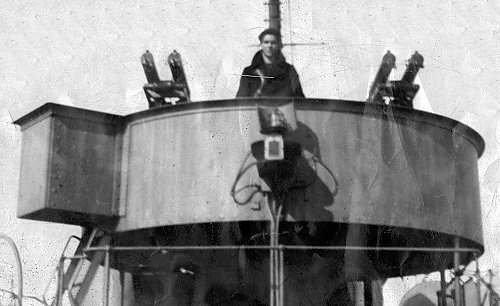
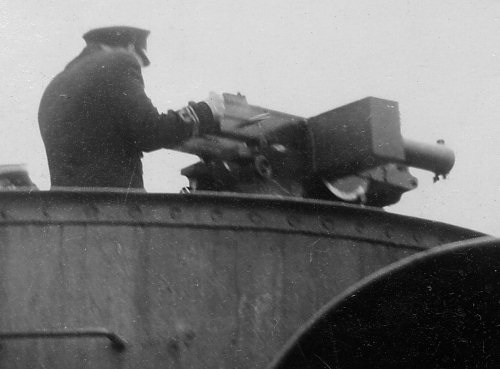
0.5"/62
Mk.III machine gun
|
Fitted to
|
River class
destroyers
|
|
Role
|
Light AA
|
Barrels
|
Single (Mk.III mounting), Twin (Mk.II),
Quad (Mk.I)
|
Range
|
730m (effective)
|
Performance
|
150-200 rounds per minute (practical)
|
Ammunition
|
Fixed, solid bullet.
|
Design Date
|
1926
|
Approximate Cdn. Service Dates
|
1930s to early 1940s.
|
Comments
|
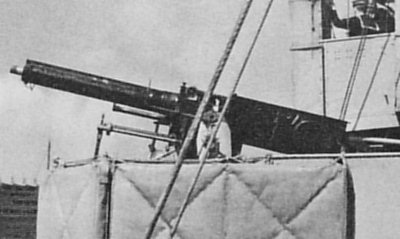
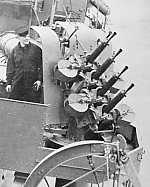
UK origin Vickers gun used on various
single, twin, and quad mountings. Largely ineffective against aircraft
during WWII, these mounts were replaced as more effective guns were
available. This gun was considerably less powerful than the Browning
version below.
|
Sources
|
Naval
Weapons of the World website.
Macpherson, Ken. (1985). The
RIVER Class Destroyers of the
Royal Canadian Navy. Charles J. Musson & Associates,
Publishers. Toronto, ON.
Macpherson, Ken. (1990). Minesweepers
of the Royal Canadian Navy 1938-1945. Vanwell Publishing Ltd.
St. Catharines, ON.
Macpherson, Ken and Milner, Marc. (1993). Corvettes of the Royal
Canadian
Navy 1939-1945. Vanwell Publishing Ltd. St. Catherines, ON.
|
Photos 1: © DND
|
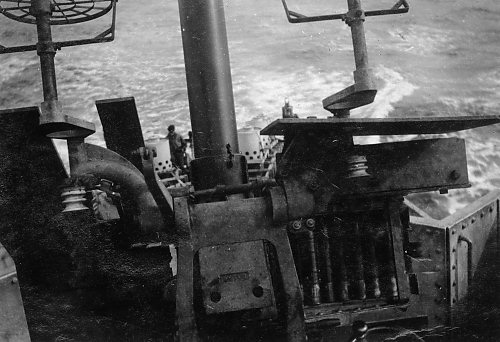
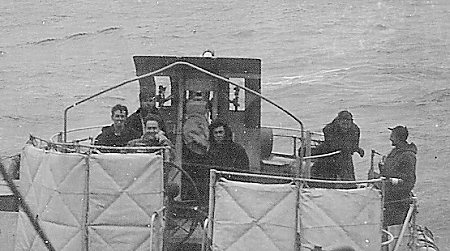
1. Quad on ASSINIBOINE (River class).
|
|
|
|
|
|
|
|
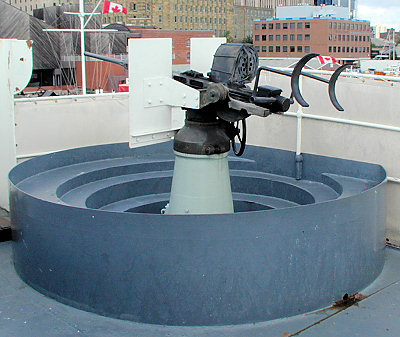
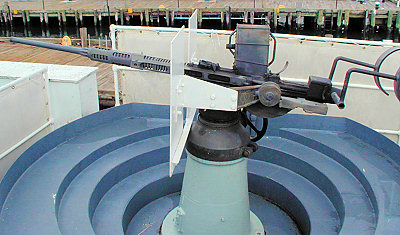
0.5"/90
Mk.II machine gun
|
Fitted to
|
Flower class
corvettes, BANGOR class
minesweepers, Fairmiles, others.
|
|
Role
|
Light AA
|
Barrels
|
Twin
|
Range
|
2,400m (effective)
|
Performance
|
450-600 rounds per minute
|
Ammunition
|
Fixed, solid bullet.
|
Design Date
|
1932
|
Approximate Cdn. Service Dates
|
1939 to early 1940s.
|
Comments
|
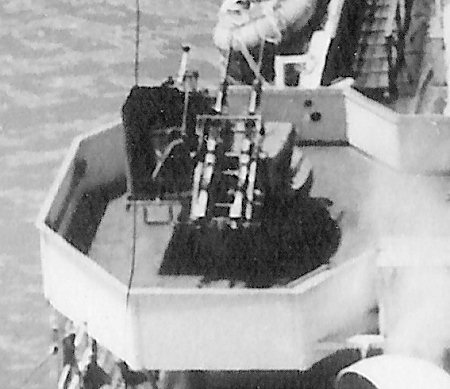
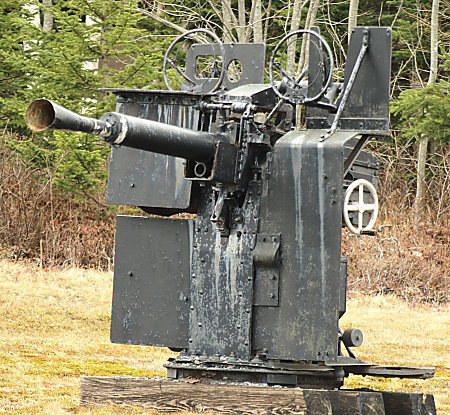
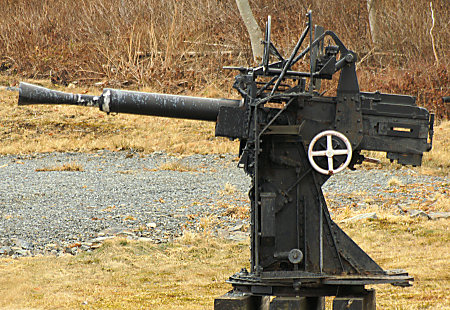
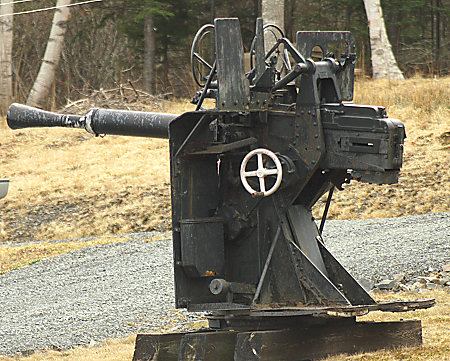
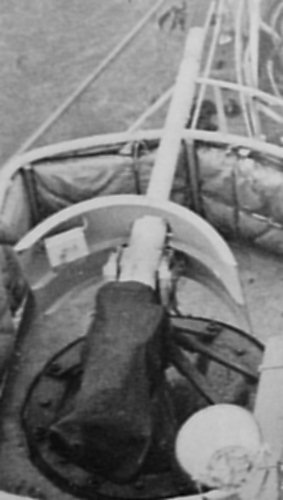
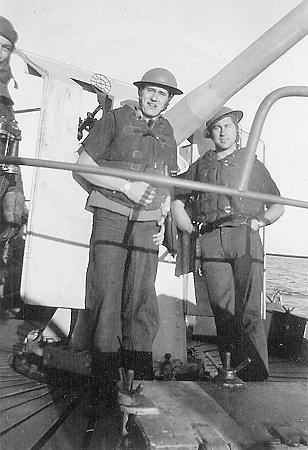
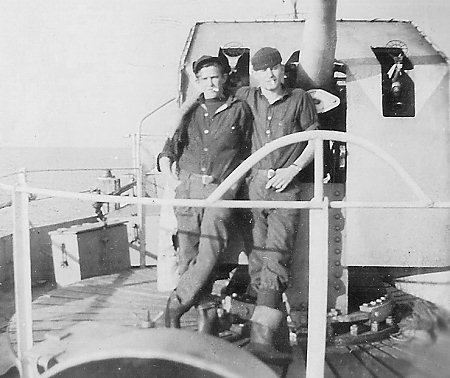
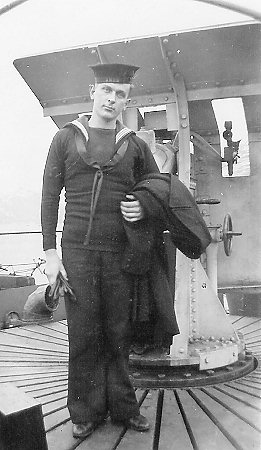
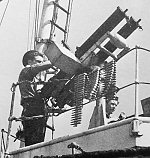
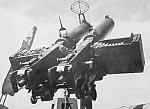
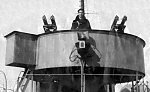
US origin water-cooled Browning gun used
on a Mk.3 twin mounting. Largely ineffective against aircraft
during WWII, these mounts were replaced as more effective guns were
available. In photos 3 and 4, two twin Brownings are mounted in the aft
gun tub on a Flower class corvette, a position that was later taken up
by the more effective 40mm/39 Mk.VIII (2-pounder) pom-pom.
|
Sources
|
Naval
Weapons of the World website.
Macpherson, Ken. (1985). The
RIVER Class Destroyers of the
Royal Canadian Navy. Charles J. Musson & Associates,
Publishers. Toronto, ON.
Macpherson, Ken. (1990). Minesweepers
of the Royal Canadian Navy 1938-1945. Vanwell Publishing Ltd.
St. Catharines, ON.
Macpherson, Ken and Milner, Marc. (1993). Corvettes of the Royal
Canadian
Navy 1939-1945. Vanwell Publishing Ltd. St. Catherines, ON.
|
Photos 1&2: © DND
Photos 3&4: © Rolie Leduc
|
1. Twin on BANGOR class. |
2. Twin on SHEDIAC (Flower class). |
3. On SHERBROOKE (Flower class) |
 |
 |
 |
| 4.
On SHERBROOKE (Flower class) |
5.
|
6.
|
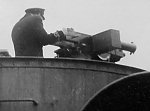 |
|
|
|
|
Oerlikon
20mm/70
|
Fitted to
|
UGANDA /
QUEBEC, ONTARIO, destroyers, frigates, corvettes, minesweepers,
Fairmiles, various other
ships.
|
|
Role
|
Light AA
|
Barrels
|
Single or twin
|
Range
|
3 to 4 km
|
Performance
|
250-320 rounds per barrel per minute
(practical)
|
Ammunition
|
HE and SAP
|
Design Date
|
1939
|
Approximate Cdn. Service Dates
|
1939 on
|
Comments
|
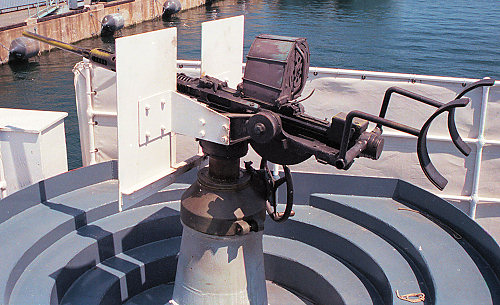
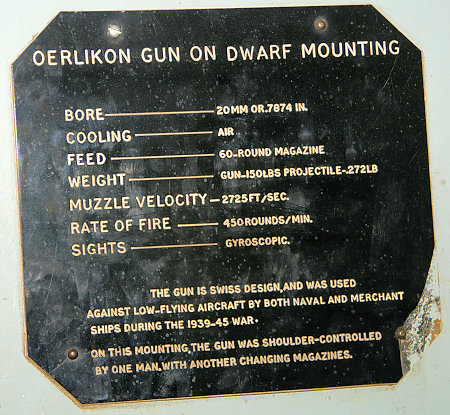
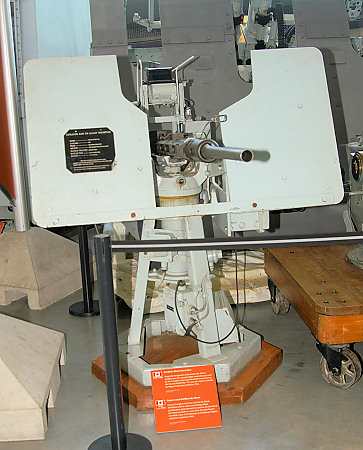
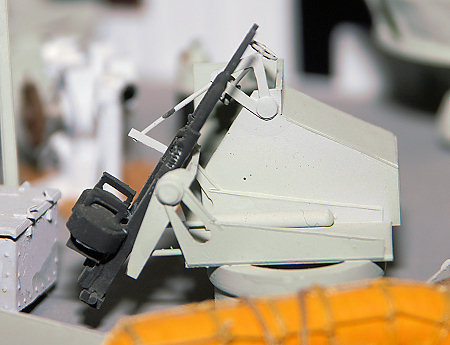
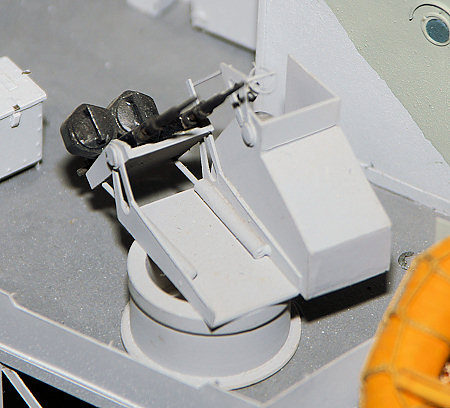
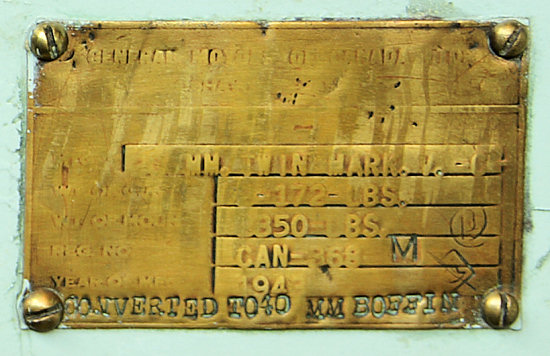
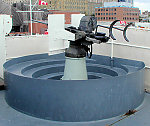
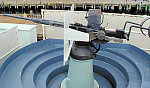
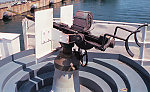
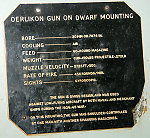
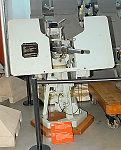
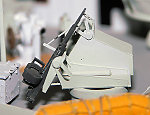
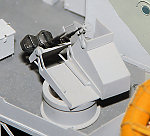
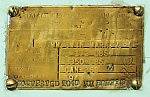
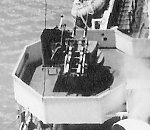
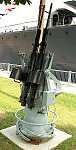
Oerlikon origin gun produced by the
UK and US, and fitted to many ships as basic AA armament. The Mk.VC
powered twin mounting (see photos 6 and 7 below) was produced in Canada
by General Motors, and was later converted to mount a single 40mm
Bofors gun (see photo 8).
|
Sources
|
Naval
Weapons of the World website.
Macpherson, Ken and Milner, Marc. (1993). Corvettes of the Royal
Canadian
Navy 1939-1945. Vanwell Publishing Ltd. St. Catherines, ON.
Canadian
War Museum
|
Photos 1-8, 10: © Sandy
McClearn.
Photo 9:
© Charles Sadler, courtesy of John Sadler. |
1. On SACKVILLE (Flower class).
|
2. On SACKVILLE (Flower class). |
3. On SACKVILLE (Flower class). |
|
|
|
4.
Plaque in Cdn. War Museum.
|
5.
Single mounting in CWM.
|
6.
On Tribal class model, CWM.
|
|
|
|
| 7.
On Tribal class model, CWM. |
8.
Mk.VC twin mounting plaque.
|
9.
On JOLIETTE (River class).
|
|
|
|
10.
Unknown twin mounting at HAIDA.
|
11.
|
12.
|
|
|
|
|
|
General
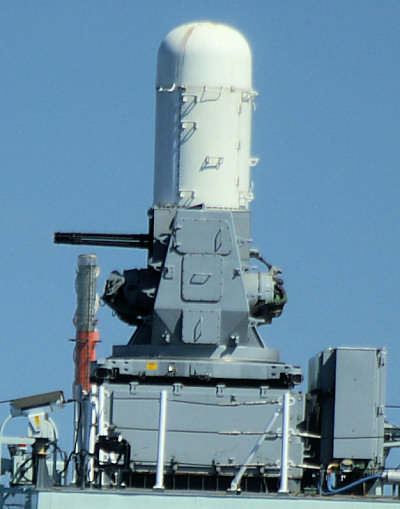
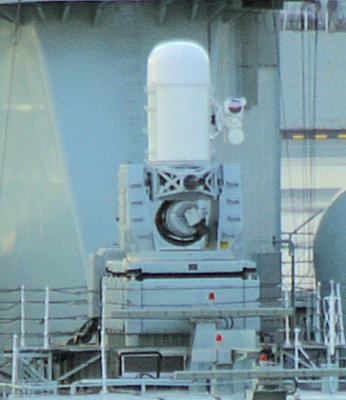
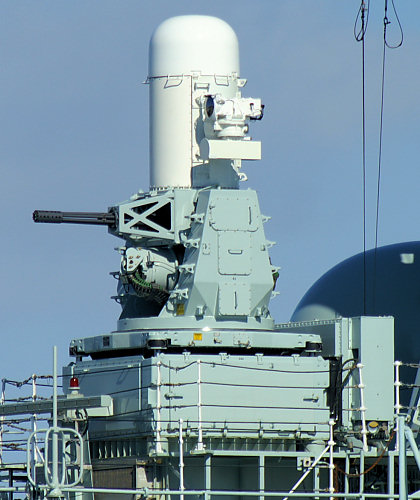
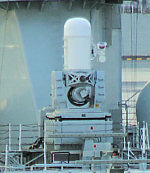
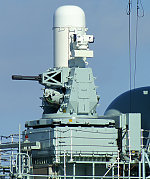
Dynamics Mk.15 Phalanx 20mm CIWS Block 1 and 1B
|
Fitted to
|
IROQUOIS
class (post-TRUMP) destroyers, HALIFAX
class frigates, and ATHABASKAN
and TERRA
NOVA (Gulf War)
|
|
Role
|
Close-in AA and ASuW
|
Barrels
|
sextuple
|
Range
|
1.5km effective
|
Performance
|
3000 to 4500 rounds per minute |
Ammunition
|
Fixed, APDS.
|
Design Date
|
1969 (Block 0) with Block 1 entering
service in 1988 and Block 1B from 2000.
|
Approximate Cdn. Service Dates
|
Early 1990s to present. Block 1B slowly
being retrofitted from 2002 on.
|
Comments
|
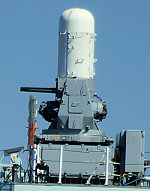
Incorporates the M-61A1 gatling gun on
the Vulcan Phalanx Mk.72 mounting. Block 1 is 20mm/76, while Block 1B
is 20mm/99. Phalanx is a self-contained gun system incorporating its
own radar and fire control system. These guns are considered as
last-ditch protection against missiles and aircraft. Kits purchased in
2002 to upgrade Block 1 mountings to Block 1B, which incorporates
various improvements including a FLIR (Forward Looking Infra-Red) to
allow engagement of small, fast surface targets.
|
Sources
|
Naval
Weapons of the World website.
Naval
Technology website.
|
Photos 1&2: © Sandy
McClearn.
|
1. Block 1.
|
2. Block 1B with FLIR.
|
3. Block 1B with FLIR. |
|
|
|
|
|
40mm/39
(2-Pdr) Mk.II single
|
Fitted to
|
River
class destroyers
|
|
Role
|
AA
|
Barrels
|
Single
|
Range
|
3.5 km.
|
Performance
|
50-75 rounds per barrel per minute approx.
|
Ammunition
|
Fixed, HE rounds.
|
Design Date
|
1914
|
Approximate Cdn. Service Dates
|
1939 to 1942?
|
Comments
|
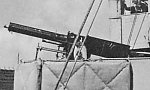
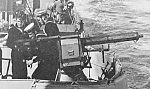
Mounting unknown. Often referred to as a
Pom-pom gun. Generally similar, but inferior to, the Mk.VIII.
|
Sources
|
Naval
Weapons of the World website.
Macpherson, Ken. (1985). The
RIVER Class Destroyers of the
Royal Canadian Navy. Charles J. Musson & Associates,
Publishers. Toronto, ON.
Metson, Graham. (1981). An East Coast Port...Halifax At War 1939-1945.
McGraw-Hill Ryerson, Canada.
|
Photo 1: © DND / National
Archives of Can.
Photo 2: © DND.
|
1. On OTTAWA (1) (River class).
|
2. On ASSINIBOINE (River class).
|
3.
|
|
|
|
|
|
|
40mm/39
(2-Pdr) Mk.VIII quad
|
Fitted to
|
WARRIOR,
UGANDA /
QUEBEC, ONTARIO, Tribal class
(Batch 1
and Batch
2) destroyers.
|
|
Role
|
AA
|
Barrels
|
Quad
|
Range
|
3.5 to 4.5 km. |
Performance
|
100 rounds per barrel per minute approx. |
Ammunition
|
Fixed with HE, AP, and SAP rounds. |
Design Date
|
1923, with quad mounting entering
service in 1936. |
Approximate Cdn. Service Dates
|
1943-1950
|
Comments
|
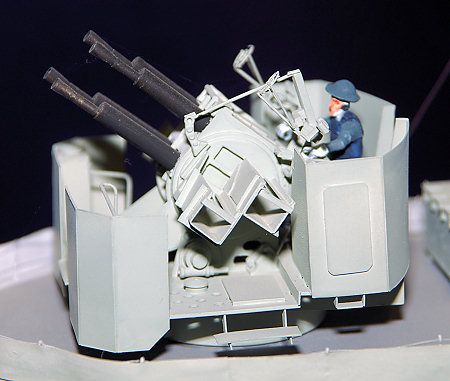
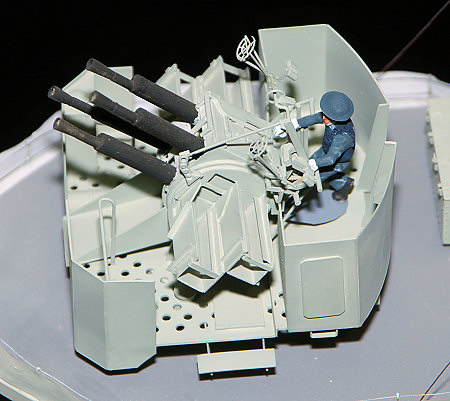
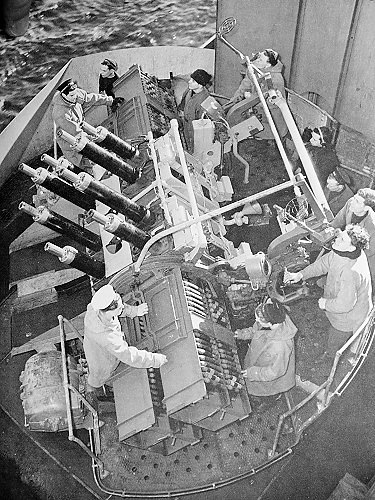
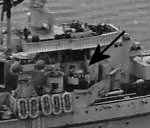
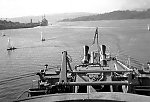
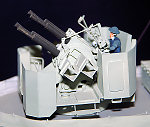
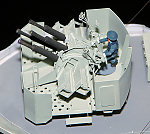
UK origin Mk.VIII guns on a Mk.VII quad
mounting. Often referred to as a Pom-pom gun. Two different quad
mountings were used for this gun during the Second World War: the older
of the two mountings had the guns offset from each other, while the
later mounting had the top and bottom barrels in line with each other
(see photo 2).
|
Sources
|
Naval
Weapons of the World website.
Gough, Barry M. (2001). HMCS
HAIDA - Battle Ensign Flying. Vanwell Publishing Ltd. St.
Catharines, ON.
Correspondence with B. Lake.
Canadian
War Museum
|
Photo 1: © DND / B.
Lake.
Photo 2: © G. E. Sullivan.
Photo 3&4: © Sandy
McClearn
|
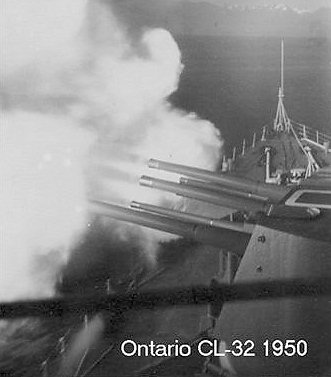
1. On ONTARIO, starboard side.
|
2. On ONTARIO, above X mounting.
|
3. On Tribal model in CWM.
|
|
|
|
| 4.
On Tribal model in CWM. |
5.
|
6.
|
|
|
|
|
|
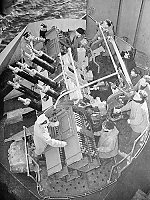
40mm/39
(2-Pdr) Mk.VI octuple
|
Fitted to
|
??
|
|
Role
|
AA
|
Barrels
|
Octuple
|
Range
|
3.5 to 4.5 km. |
Performance
|
100 rounds per barrel per minute approx. |
Ammunition
|
Fixed with HE, AP, and SAP rounds. |
Design Date
|
1923, with quad mounting entering
service in . |
Approximate Cdn. Service Dates
|
??
|
Comments
|
UK origin Mk.VIII guns on a Mk.VI octuple
mounting. Often referred to as a Pom-pom gun. May never have seen RCN
service as it was mostly used on capital ships.
|
Sources
|
Naval
Weapons of the World website.
Metson, Graham. (1981). An East Coast Port...Halifax At War 1939-1945.
McGraw-Hill Ryerson, Canada.
|
Photo 1: © DND / National
Archives of Can.
|
1.
|
2.
|
3.
|
|
|
|
|
|
40mm/56.25
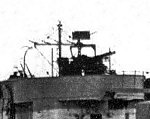
QF Mk.IV Hazemeyer (or Haslemere)
|
Fitted to
|
V anc C class
destroyers
|
|
Role
|
AA
|
Barrels
|
Twin
|
Range
|
Up to 10km.
|
Performance
|
120 rounds per barrel per minute |
Ammunition
|
Fixed, HE and SAP rounds.
|
Design Date
|
Late 1930s?
|
Approximate Cdn. Service Dates
|
1940s
|
Comments
|
Watercooled Bofors (probably Mk.IC) guns
on the Dutch Hazemeyer tri-axially stabilized mounting. This Dutch
mounting
arrived in the UK in 1940 on a Dutch destroyer, and was adapted for
British use. Often fitted with the Type 282 fire control radar right on
the mounting. Gun was water cooled. This mounting was replaced by the
less complicated and more reliable Mk.V mounting.
|
Sources
|
Naval
Weapons of the World website.
Conway's All the World's Fighting Ships 1947-1982. (1983). Conway
Maritime Press Ltd., London.
Correspondence with B. Lake. |
Photo 1: © DND.
|
1. On SIOUX.
|
2.
|
3.
|
|
|
|
|
|
40mm/56.25
single
|
Fitted to
|
UGANDA /
QUEBEC, ONTARIO
|
|
Role
|
Primary AA, secondary
ASuW. |
Barrels
|
Single
|
Range
|
Up to 10km. |
Performance
|
120 rounds per minute |
Ammunition
|
Fixed, HE and SAP rounds. |
Design Date
|
1940s.
|
Approximate Cdn. Service Dates
|
1945-1950.
|
Comments
|
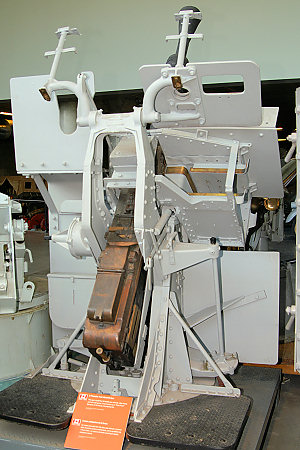
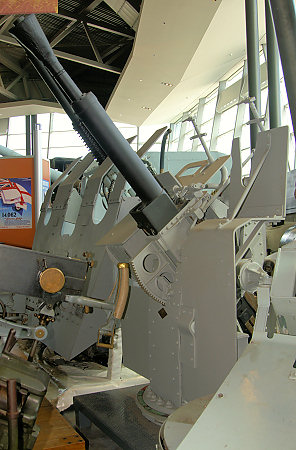
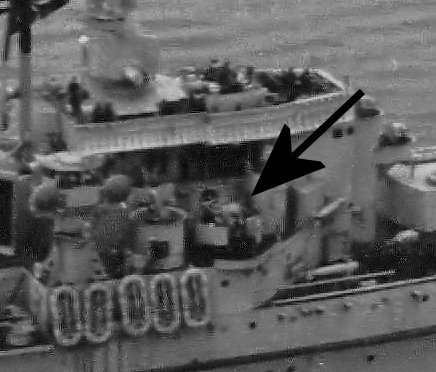
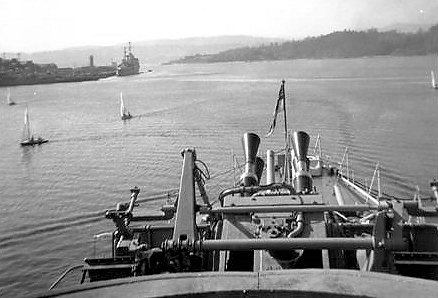
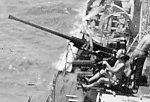
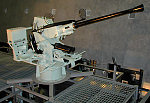
Air cooled Bofors gun on single manual
mounting. The gun was operated by two sailors, the "gunlayer" on the
left and the "trainer" on the right. The gunlayer elevated the
mounting, while the trainer rotated it. Two more sailors were required
to
load the gun.
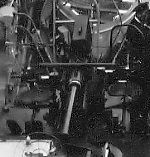
Photo #4 was taken in the Maritime Museum in Sydney, Australia, in
2001. From the photographic evidence available, the author presumes
this mounting to be similar to the mounting used on Canadian cruisers,
but this is not certain.
|
Sources
|
Naval
Weapons of the World website.
Correspondence with B. Lake.
|
Photos 1-3: © DND / B.
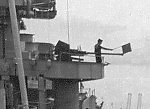
Lake.
Photo 4: © Sandy McClearn.
|
1. On ONTARIO boat deck.
|
2. On ONTARIO boat deck.
|
3. On ONTARIO, aft port gun tub.
|
|
|
|
4. In Sydney Maritime Museum.
|
5.
|
6.
|
|
|
|
|
|
40mm/56.25
twin (USN mounting)
|
Fitted to
|
NABOB and
PUNCHER
|
|
Role
|
Primary AA, secondary
ASuW. |
Barrels
|
Twin
|
Range
|
Up to 10km. |
Performance
|
120 rounds per minute per barrel
|
Ammunition
|
Fixed, HE and SAP rounds. |
Design Date
|
1940s.
|
Approximate Cdn. Service Dates
|
1943-1946.
|
Comments
|
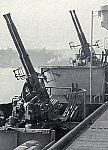
Water cooled Bofors guns on twin powered
mounting.
|
Sources
|
Naval
Weapons of the World website.
Corvus Publishing Group / Canada's
Navy Annual. Various
Issues. (1985-1991)
Roscoe, Theodore. (1949). United States Destroyer Operations
in World War Two. Naval Institute Press. (via B. Lake)
Correspondence with B. Lake.
|
| Photo 1: Courtesy
Corvus Pub. Grp. |
1. On NABOB.
|
2.
|
3.
|
|
|
|
|
|
40mm/56.25
"Boffin"
or "Bofin"
|
Fitted to
|
UGANDA /
QUEBEC, ONTARIO; MAGNIFICENT,
Tribal (Batch
1 and Batch 2),
V, C, some ST.
LAURENT class destroyers (ST.
LAURENT, SAGUENAY, SKEENA, ASSINIBOINE, and OTTAWA only), PRESTONIAN
class
frigates, Bay
class minesweepers, Porte class gate vessels, KINGSTON
class MCDVs,
airbases in Europe.
|
|
Role
|
Primary AA, secondary
ASuW. |
Barrels
|
Single
|
Range
|
Up to 10km. |
Performance
|
120 rounds per minute |
Ammunition
|
Fixed. Unknown rounds, but probably HE
and SAP. |
Design Date
|
Mid-1940s.
|
Approximate Cdn. Service Dates
|
1940s to present (though not
continuously).
|
Comments
|
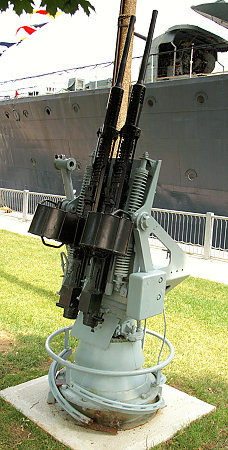
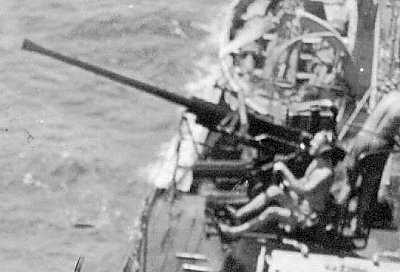
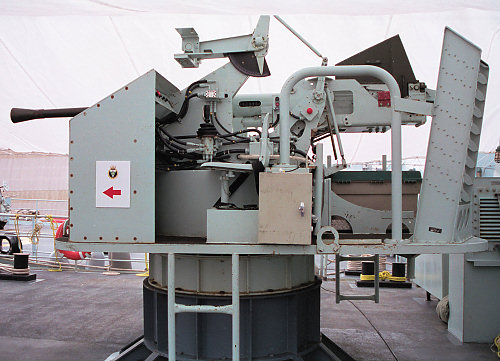
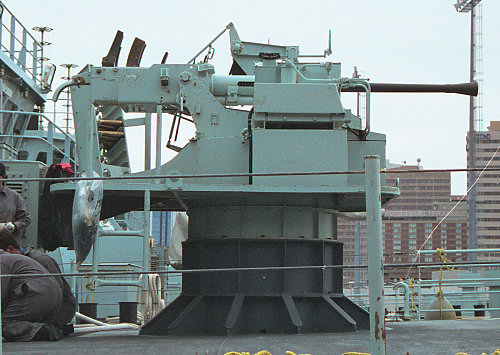
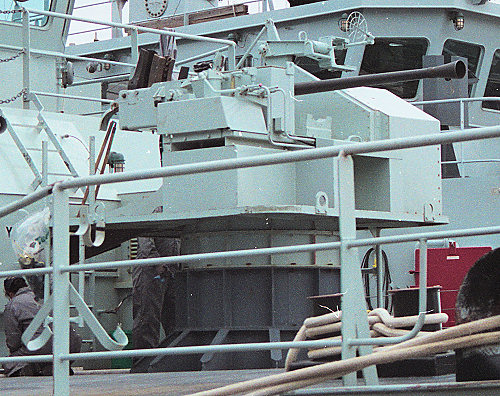
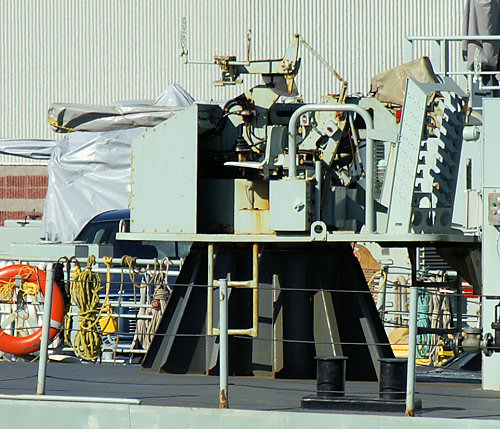
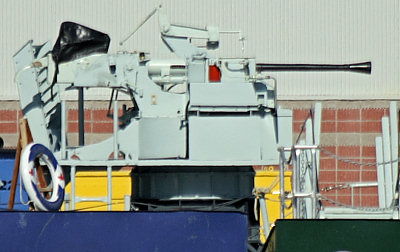
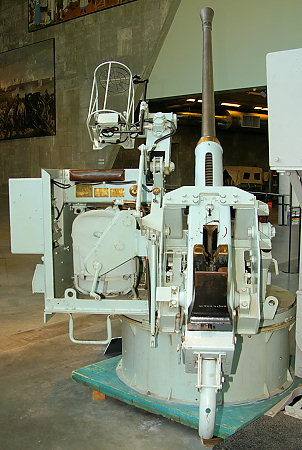
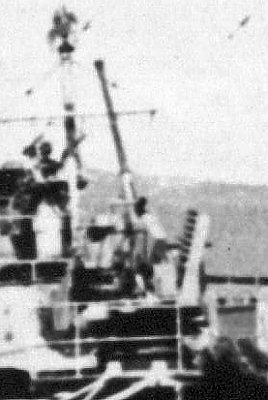
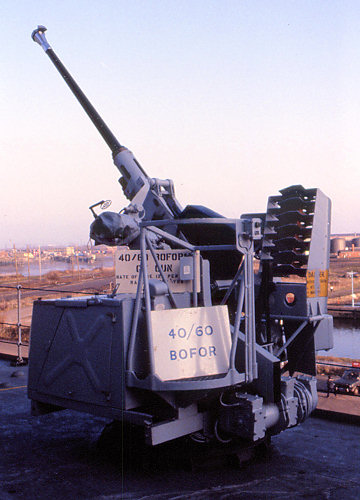
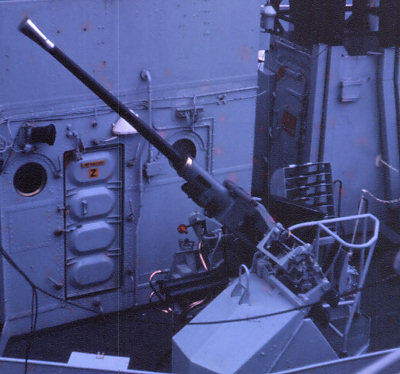
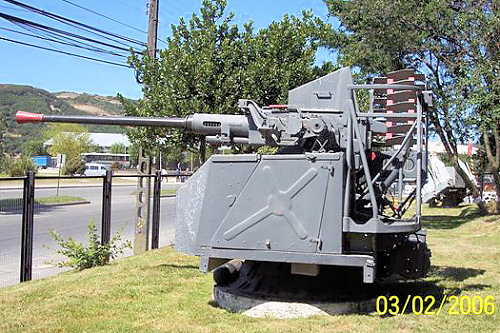
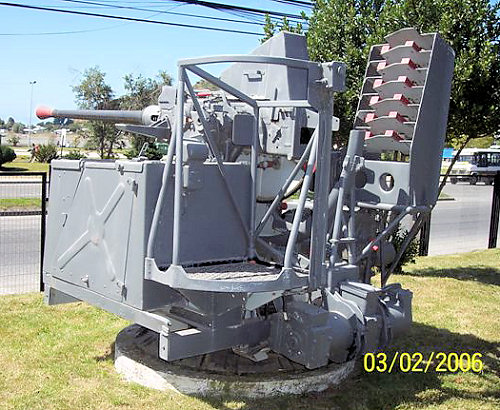
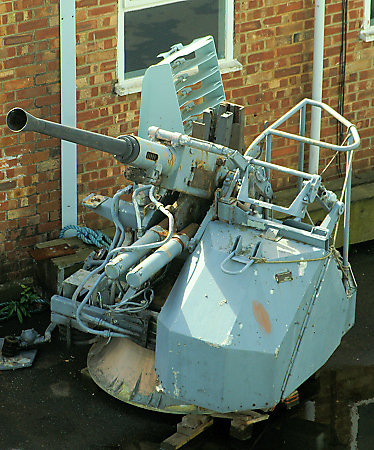
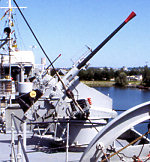
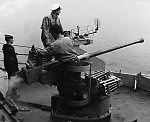
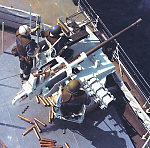
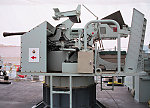
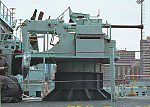
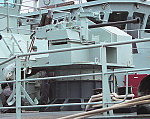
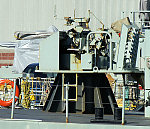
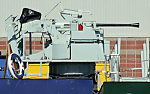
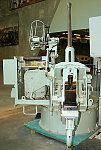
Bofors 40mm single gun on an Oerlikon
Mk.VC twin mounting intended for 20mm guns (see photo 10 below). The
twin Oerlikon mounting
had previously seen service with the RCN mounting the intended 20mm
guns. The large number of ships
and extended period of time over which this gun has served is a
misleading indicator as to its actual usefullness, and it should have
been retired to museums years ago. First fitted to RCN ships after the
Second World War, they have been fitted at one time or another to most
major Canadian warships, were retrofitted to ships involved in the 1991
Gulf War, and have been dusted off for use on the present fleet of
KINGSTON class MCDVs.
The Boffin was installed on 5 of 7 of the original ST. LAURENT class
ships. The remaining two ships did not receive it, and in any case the
mounting was removed from the other 5 during the DDH refits, if not
earlier.
The mounting was also fitted to ships that deployed to the Persian Gulf
in 1990-91 during the Gulf War (ATHABASKAN (3), TERRA NOVA, and
PROTECTEUR).
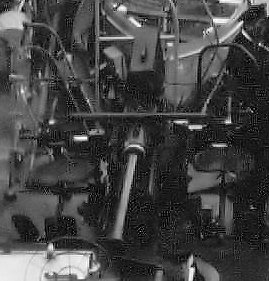
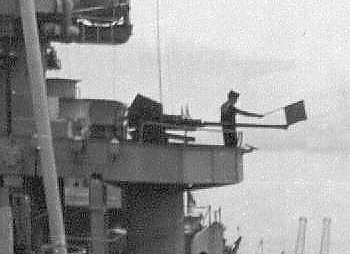
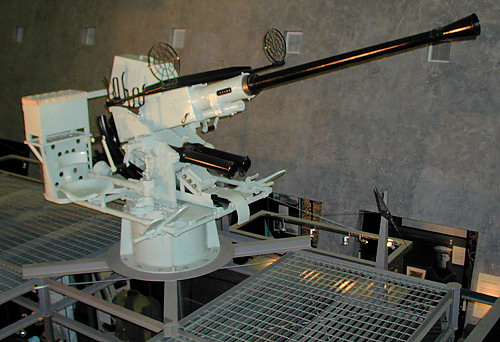
The Mk.VC Boffin mounting has undergone various modifications over the
years,
and the mounting that is installed on the KINGSTON class MCDVs looks
considerably different from the original Boffin mounting. See photos 1
through 3 for the original mounting configuration, which was used as
recently as the 1990 Gulf War. The current mounting (photos 4 through
8) has had part of the
left side cut away and a new clip rack (which looks similar to that
found on the Mk.7 mounting, see below) added to the left rear of the
mounting (see photo 4). The original clip rack was horizontal and
attached to the right side of the mounting (see photo 2 in particular).
|
Sources
|
Naval
Weapons of the World website.
Corvus Publishing Group / Canada's
Navy Annual. Various
Issues. (1985-1991)
Correspondence with B. Lake.
Correspondence with K. Chaddock.
Canadian
War Museum
HMCS HAIDA
National Historic Site
|
Photo 1: © M.D. Thomas
Photo 2:
© Rolie Leduc
Photo 3: Courtesy
Corvus Pub. Grp.
Photos 4-10: © Sandy
McClearn.
|
1. On HAIDA.
|
2. On QUEBEC.
|
3. During Gulf War (1990/91).
|
|
|
|
| 4.
On MCDV (left side). |
5.
On MCDV (right side). |
6.
On MCDV (right front side). |
|
 |
 |
| 7.
On MCDV (left side). |
8.
On MCDV (right side). |
9.
In CWM.
|
|
 |
|
10.
|
11.
|
12.
|
|
|
|
|
|
40mm/56.25
(Bofors) Mk.7
|
Fitted to
|
MAGNIFICENT,
CRUSADER,
possibly CRESCENT,
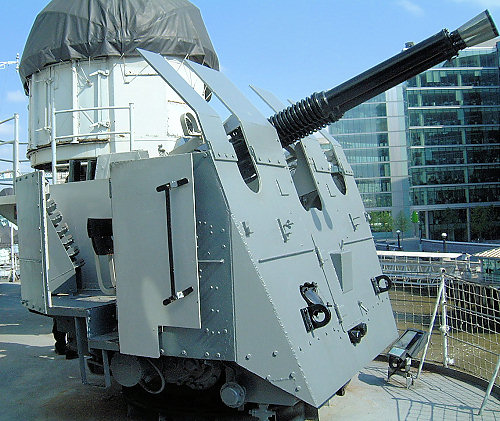
some Tribals.
|
|
Role
|
Primary AA, secondary
ASuW. |
Barrels
|
Single
|
Range
|
Up to 10km. |
Performance
|
120 rounds per minute |
Ammunition
|
Fixed. Unknown rounds, but probably HE
and SAP. |
Design Date
|
Mid-1940s.
|
Approximate Cdn. Service Dates
|
1945s to 1960s. ??
|
Comments
|
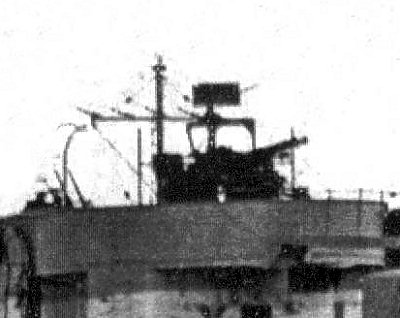
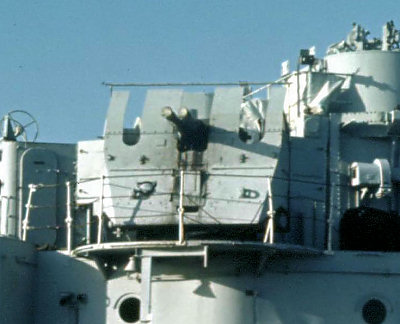
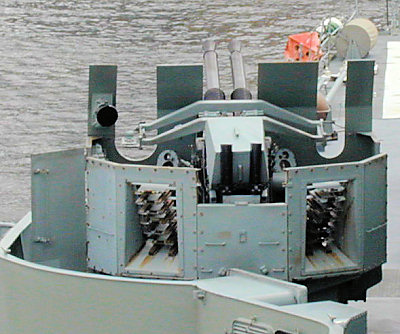
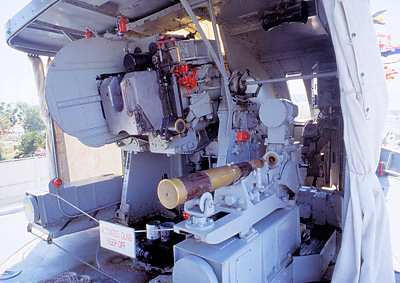
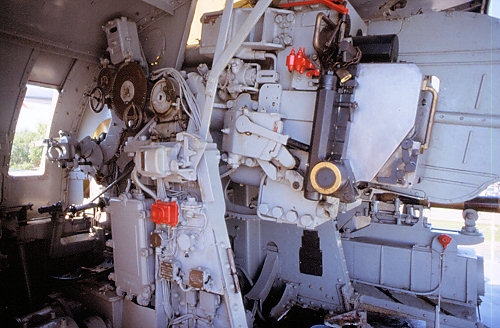
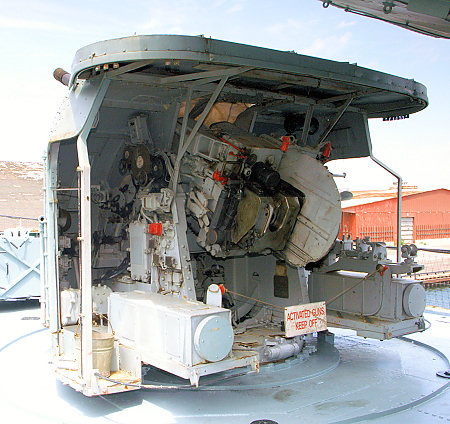
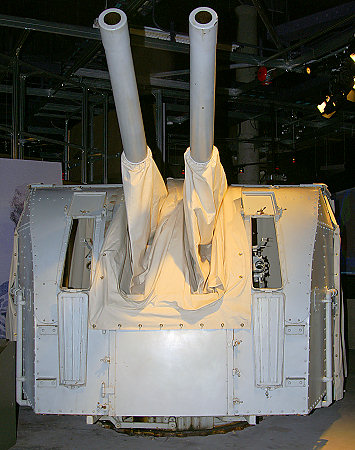
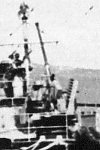
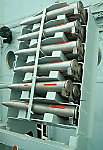
CRUSADER carried the mounting shown in
Photo #1 below in 1945, and it was still installed circa 1950 when the
photo was taken, although two Boffin mountings had also been installed
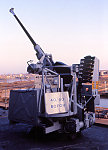
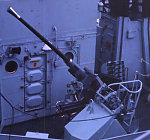
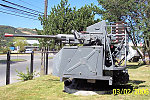
by this time. The mounting is assumed to be an RN pattern Mk.7 Bofors
mounting due to its appearance and the timeframe, but identification is
not certain. Mountings of similar appearance also appear in photos of
various Tribal class destroyers, usually between the funnels, sometimes
in combination with Boffin mountings.
Conway's (see sources below) stated that ATHABASKAN and CAYUGA received
the Mk.7 mounting in place of the Boffin, which suggests that this
mounting was indeed used by the RCN, although ATHABASKAN and CAYUGA
appear to have carried the Mk.7 forward and the Boffin mounting aft.
The Mk.7 mounting may be very similar to the Mk.9 mounting in
appearance.
CRESCENT may also have used this mounting, although the author has no
photos at this time to confirm this.
Corrections are welcomed.
|
Sources
|
Naval
Weapons of the World website.
Conway's All the World's Fighting Ships 1947-1982. (1983). Conway
Maritime Press Ltd., London.
Correspondence with B. Lake.
Chatham
Historic Dockyard
|
Photo 1: © DND.
Photos 2&3: © M.D.
Thomas.
Photos 4&5:
© G. E. Sullivan.
Photos 6-9:
© Sandy McClearn
|
1. On CRUSADER.
|
2. Mk.7 mounting on HMS BATTLEAXE.
|
3. Mk.7 mounting on HMS CAVALIER.
|
|
|
|
4.
|
5.
|
6. Chatham Historic Dockyard
|
|
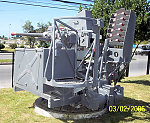
|
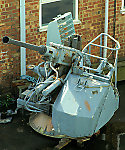
|
7. On HMS CAVALIER.
|
8. On HMS CAVALIER. |
9. On HMS CAVALIER. |
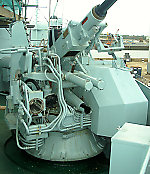
|
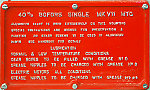
|
|
|
|
40mm/56.25
on Mk.IV mounting
|
Fitted to
|
UGANDA /
QUEBEC, ONTARIO, MICMAC.
|
|
Role
|
Primary AA, secondary
ASuW. |
Barrels
|
Quad
|
Range
|
Up to 10km. |
Performance
|
120 rounds per minute |
Ammunition
|
Fixed. Unknown rounds, but probably HE
and SAP. |
Design Date
|
Early 1940s.
|
Approximate Cdn. Service Dates
|
Late 1940s / Early 1950s.
|
Comments
|
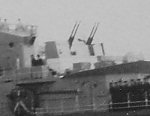
Bofors gun on US origin quad mounting.
Fitted in B position on MICMAC after her 1947 collision, as she could
not yet support the weight of the twin 4" mountings. Mounting on MICMAC
was fitted with a gun shield.
|
Sources
|
Naval
Weapons of the World website.
Conway's All the World's Fighting Ships 1947-1982. (1983). Conway
Maritime Press Ltd., London.
Correspondence with B. Lake. |
Photo 1: © DND / RCL White
Ensign.
|
1. On MICMAC.
|
2.
|
3.
|
|
|
|
|
|
|
|
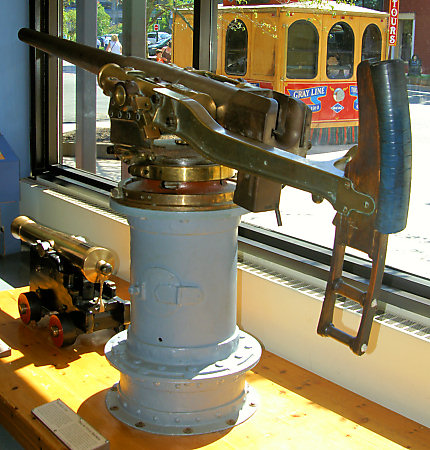
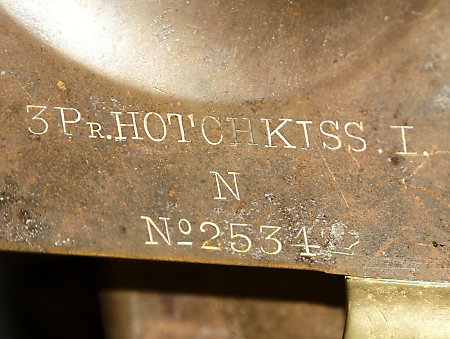
57mm/40
(Hotchkiss
6 Pdr) QF
|
Fitted to
|
River
class destroyers, others.
|
|
Role
|
Light AA and ASuW.
|
Barrels
|
Single
|
Range
|
6-7 km.
|
Performance
|
20 rounds per minute |
Ammunition
|
Fized, HE.
|
Design Date
|
1885.
|
Approximate Cdn. Service Dates
|
1939-1945.
|
Comments
|
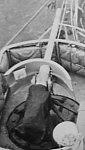
Obsolete and not very useful during WWII,
many of these guns had already been converted to saluting guns, and had
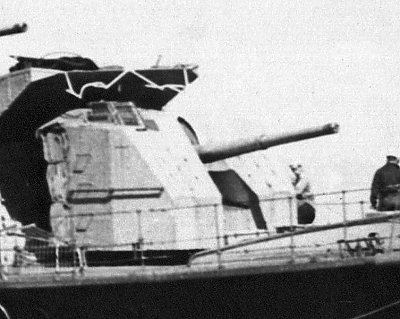
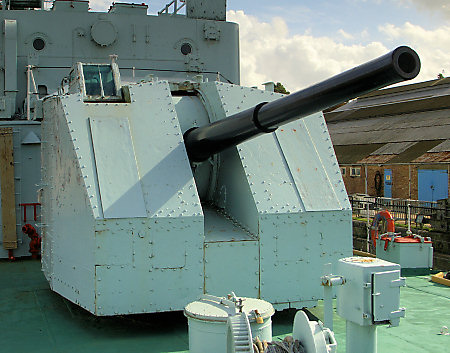
to be converted back for secondary use on destroyers and primary use on
smaller coastal craft.
|
Sources
|
Naval
Weapons of the World website.
Macpherson, Ken. (1985). The
RIVER Class Destroyers of the
Royal Canadian Navy. Charles J. Musson & Associates,
Publishers. Toronto, ON.
|
Photo 1: © DND.
|
1.
|
2.
|
3.
|
|
|
|
|
|
57mm/70
(Bofors) Mk.2
|
Fitted to
|
HALIFAX
class frigates
|
|
Role
|
DP
|
Barrels
|
Single
|
Range
|
14-17 km, depending on ammunition.
|
Performance
|
220 rounds per minute
|
Ammunition
|
Fixed. HCER, PFHE, NF, and TP rounds.
|
Design Date
|
1981
|
Approximate Cdn. Service Dates
|
1990 - Present
|
Comments
|
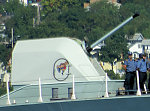
Fibreglass gunshield. Mounted on the
foc'st'le of HALIFAX class frigates, forward of the bridge. This
mounting is slated to be upgraded during the FELEX mid-life refit
planned for the HALIFAX class.
|
Sources
|
Naval
Weapons of the World website.
SNC
TEC website.
|
Photo 1: © Sandy McClearn
|
1. On HALIFAX class.
|
2.
|
3.
|
|
|
|
|
|
|
Larger Guns ( >= 3" (76mm) diameter)
|
|
|
3"/40
(12-Pdr) Mk.V QF HA
|
Fitted to
|
Some Town class destroyers, some BANGOR class
minesweepers, possibly
some River
class destroyers and some River class
frigates.
|
|
Role
|
AA
|
Barrels
|
Single
|
Range
|
10 km approx.
|
Performance
|
15 rounds per minute |
Ammunition
|
Fixed. HE, SAP, and CP rounds.
|
Design Date
|
1893
|
Approximate Cdn. Service Dates
|
1940s to 1950s.
|
Comments
|
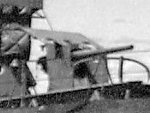
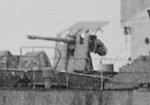
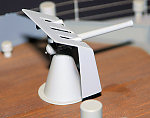
Author's placing this gun on BANGOR and
RIVER
classes is based partly on the gun shield appearance which may be
misleading.
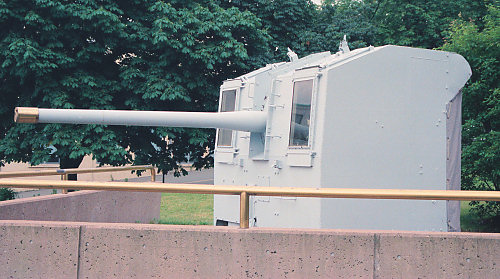
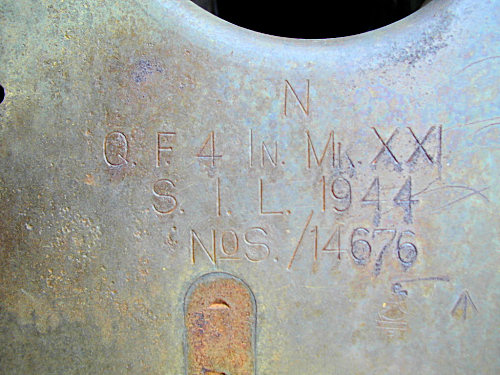
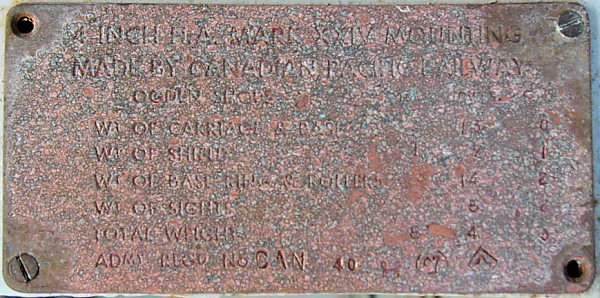
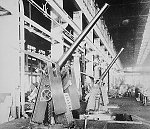
According to Naval Weapons
of the World website, approximately one-thousand of this mounting
were built in Canada (many or all by the Canadian Pacific Railway's
(CPR) Ogden Shops in Calgary). Apparently referred to interchangeably
as 3" or
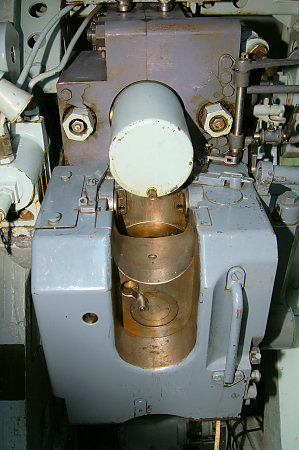
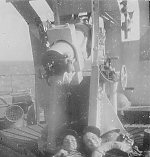
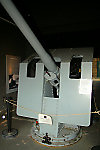
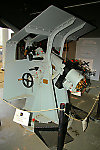
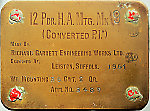
12-Pdr in some texts. The mounting in pictures 10 through 12 is the
Mk.IX.
|
Sources
|
Naval
Weapons of the World website.
Macpherson, Ken. (1990). Minesweepers
of the Royal Canadian Navy 1938-1945. Vanwell Publishing Ltd.
St. Catharines, ON.
Canadian
War Museum
Chatham
Historic Dockyard
|
Photos 1&2: © DND
Photo 3, 10-12: ©
Sandy McClearn
Photo 4: ©
Canadian Pacific Railway Archives, courtesy CWM.
Photos 5-9: ©
Charles Sadler, courtesy of John Sadler.
|
1. On ESQUIMALT (BANGOR class).
|
2. On BANGOR class.
|
3. On model in CWM.
|
|
|
|
4.
CPR Ogden Shops.
|
5.
On COLUMBIA (Town class).
|
6.
On JOLIETTE (River class frigate).
|
|
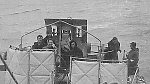
|
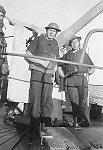
|
| 7.
On JOLIETTE (River class frigate). |
8.
On JOLIETTE (River class frigate). |
9.
On JOLIETTE (River class frigate). |
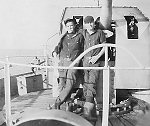
|
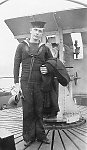
|
|
10.
In Chatham Historic Dockyard.
|
11.
In Chatham Historic Dockyard. |
12.
In Chatham Historic Dockyard. |
|
|
|
|
|
3"/45
(12-Pdr) QF HA
|
Fitted to
|
Some River
class destroyers, possibly some River class
frigates, and some BANGOR
class minesweepers.
|
|
Role
|
AA
|
Barrels
|
Single
|
Range
|
10 km approx.
|
Performance
|
12 to 14 rounds per minute |
Ammunition
|
Fixed, HE.
|
Design Date
|
1910
|
Approximate Cdn. Service Dates
|
1940s to 1950s.
|
Comments
|
Replaced after set of torpedo tubes in
some ships early
in WWII to provide some AA defence, but was later moved to X position
and then removed altogether. Some ships may instead have mounted 3"/40
Mk.V. Apparently referred to interchangeably as 3" or
12-Pdr in some texts. RCN likely used Mk.IV mounting for this gun.
|
Sources
|
Naval
Weapons of the World website.
Macpherson, Ken. (1985). The
RIVER Class Destroyers of the
Royal Canadian Navy. Charles J. Musson & Associates,
Publishers. Toronto, ON.
|
Photo 1: Gord Condie and Bill
Croshaw.
Photo 2:
© DND.
Photo 3:
© DND.
|
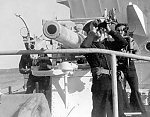
1. On GANANOQUE (BANGOR class).
|
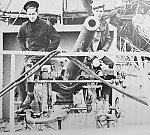
2. On ASSINIBOINE (River class).
|
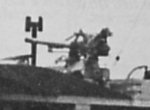
3. On ASSINIBOINE (River class).
|
|
|
|
|
|
FMC
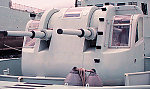
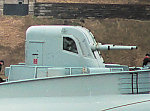
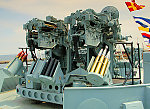
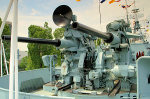
3"/50 Mk.33
|
Fitted to
|
BONAVENTURE,
Tribal (Batch
1 and Batch 2),
ST.
LAURENT, RESTIGOUCHE
(non-IRE), MACKENZIE,
and ANNAPOLIS
class destroyer escorts, ALGONQUIN and
CRESCENT
as ASW frigates, PROTECTEUR
class AORs.
|
|
Role
|
AA, limited ASuW
capability
|
Barrels
|
Twin
|
Range
|
13.4 km at 45 degrees, 9.3 km at 90
degrees |
Performance
|
50 rounds per barrel per minute |
Ammunition
|
Fixed. AAVT and HC rounds.
|
Design Date
|
1945, in service with USN in 1948. |
Approximate Cdn. Service Dates
|
1950 - 1998
|
Comments
|
Mountings
started out open to the weather, and
fibreglass and aluminum gun shields were added later. The shields were
relatively fragile, and photos often show the forward mounting facing
aft
to protect it from storm damage.
Mounted
on the foc'st'le and quarterdeck of ST. LAURENT derived destroyer
escorts, forward of the bridge. Also
mounted in X position on Tribal class DDEs, and A position on ALGONQUIN
and aft on CRESCENT after the latter two's ASW conversions. BONAVENTURE
carried four of these mountings when originally commissioned, but had
the two forward mountings removed during her 1967 refit. Of the
MACKENZIE class ships, QU'APPELLE carried a second of these mountings
forward in place of the 3"/70 Mk.6 found on the rest of the class
members.
The two PROTECTEUR class AOR's were originally fitted with this
mounting on the foc'st'le, but its location exposed it to damage from
heavy
seas, and it was removed in 1984. The mountings were preserved ashore,
and one was re-installed
on PROTECTEUR for her deployment to the Persian Gulf in 1990-91.
The mounting was originally fitted with an SPG 34 tracking radar right
on the mounting, which was later replaced with an SPG 48 tracker
between the
barrels (see photo 6). On NIPIGON and ANNAPOLIS, the SPG 48 and GUNAR
fire control system was replaced with the Mk.69 GFCS and integral SPG
515 tracker during their DELEX refits.
|
Sources
|
Naval
Weapons of the World website.
Corvus Publishing Group / Canada's
Navy Annual. Various
Issues. (1985-1991)
Jane's Fighting Ships, various editions.
HMCS HAIDA
National Historic Site
|
Photos 1-6: © Sandy McClearn.
|
1. On NIPIGON.
|
2. On NIPIGON. |
3. On NIPIGON. |
|
|
|
4.
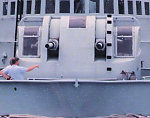
On HAIDA.
|
5.
On HAIDA.
|
6.
On FRASER.
|
|
|
|
|
|
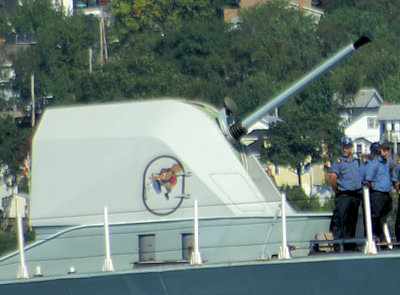
OTO
Melara 76mm/62 Super Rapide
|
Fitted to
|
IROQUOIS
class (post-TRUMP)
|
|
Role
|
DP
|
Barrels
|
Single
|
Range
|
Up to 20 km.
|
Performance
|
120 rounds per minute |
Ammunition
|
Fixed. SAPOM, SAPOMER, and DART rounds.
|
Design Date
|
Entered service after 1988.
|
Approximate Cdn. Service Dates
|
Early 1990s to present. |
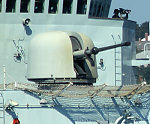
Comments
|
Improved over previous mountings
especially to counter anti-ship missiles.
|
Sources
|
Naval
Weapons of the World website.
Jane's Fighting Ships, various editions.
Canada's Navy Annual. Corvus Publishing Group. Various editions.
|
Photos 1&2: © Sandy McClearn
|
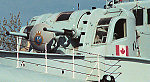
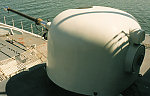
1. On ATHABASKAN.
|
2. On ATHABASKAN.
|
3.
|
|
|
|
|
|
Vickers
3"/70 Mk.6
|
Fitted to
|
RESTIGOUCHE
and MACKENZIE
class (except QU'APPELLE)
destroyer
escorts
|
|
Role
|
AA, limited ASuW
capability
|
Barrels
|
Dual
|
Range
|
17.8 km at 45 degrees, 11.5 km at 90
degrees
|
Performance
|
120 rounds per barrel per minute, limited
to 90 rounds per barrel per minute in service due to excessive barrel
wear. |
Ammunition
|
Fixed. HE Fuze NC 101 (VT) rounds.
|
Design Date
|
1950. Original RN staff requirement dates
to 1946/47.
|
Approximate Cdn. Service Dates
|
1956 - 1997
|
Comments
|
Mounted
on the foc'st'le of destroyer escorts, forward of the bridge. This
mount was originally developed for the RN for use in aircraft carriers,
but was eventually installed in RN service only in the TIGER class
cruisers, which mounted three mountings each (one forward, two
amidships). This mounting experienced teething problems when entering
service in RCN destroyer escorts, but these were eventually resolved.
The ammunition handling system was apparently referred to as "the
bottling plant" due to the high rate of fire achieved when working
properly.
|
Sources
|
Naval
Weapons of the World website.
RCN documentation.
|
Photo 1: © M.D. Thomas
Photo 2:
© Sandy McClearn
|
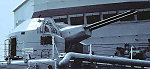
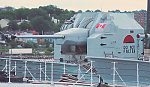
1. On HMS TIGER.
|
2. On TERRA NOVA (RESTIGOUCHE class)
|
3.
|
|
|
|
|
|
4"/40
QF Mk.IV
|
Fitted to
|
Admiralty
'S' class and Thornycroft
'M' class pre-war destroyers, FUNDY class
and probably
some BANGOR
class minesweepers
|
|
Role
|
ASuW
|
Barrels
|
Single
|
Range
|
10 km approx.
|
Performance
|
13 rounds per minute |
Ammunition
|
Separate, HE rounds.
|
Design Date
|
1904
|
Approximate Cdn. Service Dates
|
1920 to 1950 approx.
|
Comments
|
This gun was fitted to Royal Navy
destroyers of the First World War, including M and S classes, to which
PATRIOT and PATRICIAN (M), and CHAMPLAIN and VANCOUVER (S) belonged.
This author suspects that some of these destroyer mountings were later
recycled for use
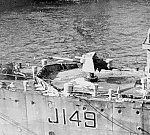
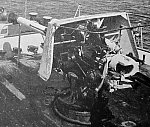
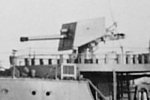
on the FUNDY class minesweepers. Mounting used was probably Mk.PIX.
|
Sources
|
Naval
Weapons of the World website.
Macpherson, Ken. (1990). Minesweepers
of the Royal Canadian Navy 1938-1945. Vanwell Publishing Ltd.
St. Catharines, ON.
|
Photos 1-3: © DND.
|
1. On UNGAVA (BANGOR class).
|
2. On BANGOR class.
|
3. On FUNDY class.
|
|
|
|
|
|
4"/40
QF Mk.XIX
|
Fitted to
|
Some River class
frigates, some Revised
Flower
class corvettes, Castle class
corvettes
|
|
Role
|
ASuW
|
Barrels
|
Single
|
Range
|
8.8 km
|
Performance
|
15 rounds per minute |
Ammunition
|
Fixed. HE, Shrapnel, and illumination
rounds.
|
Design Date
|
1938
|
Approximate Cdn. Service Dates
|
1943-1946
|
Comments
|
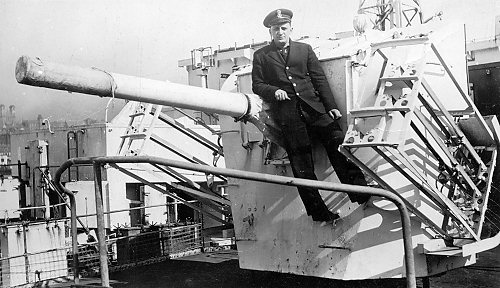
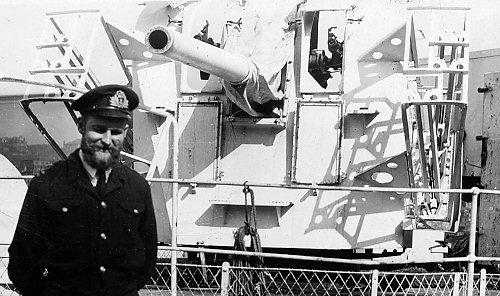
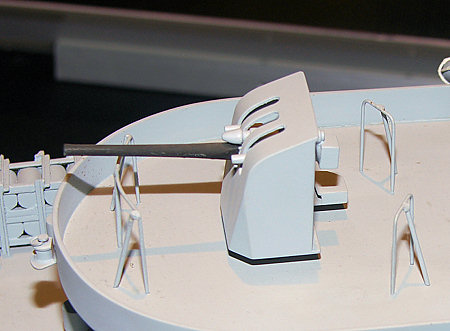
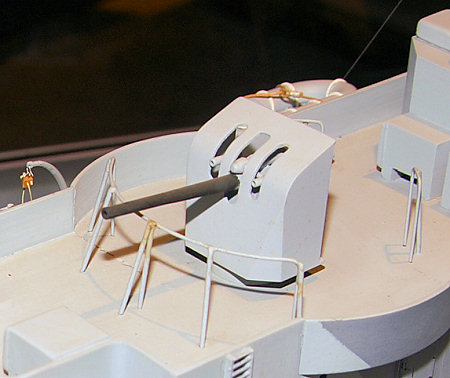
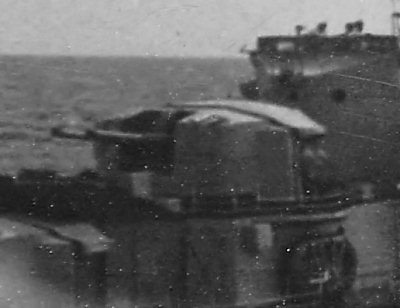
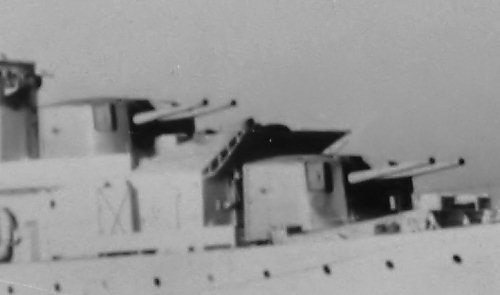
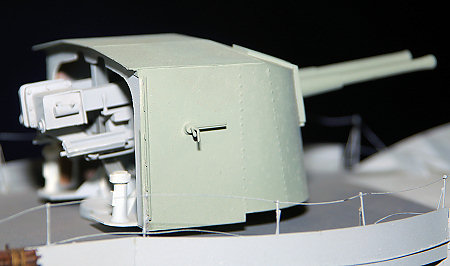
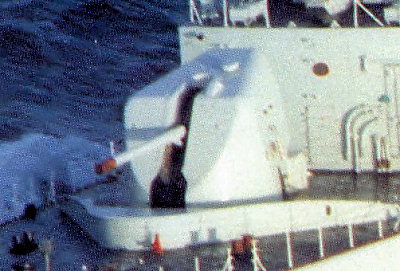
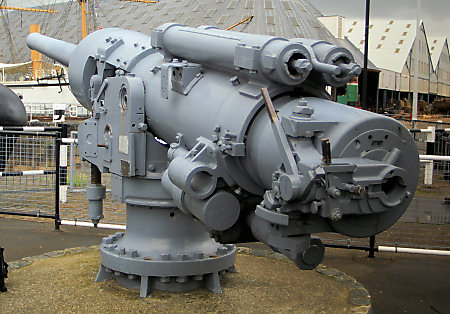
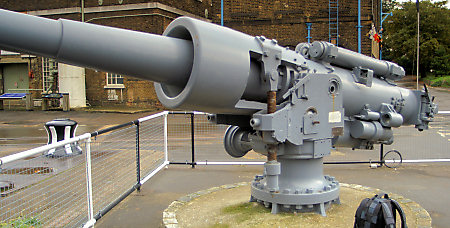
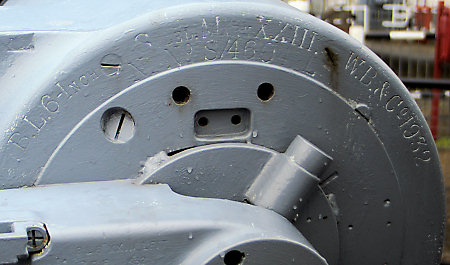
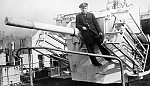
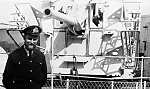
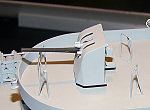
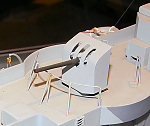
Mk.XXIII mounting. Later fitted with
rails for illumination rockets (see photos 1 & 2). The photos of
the actual mounting show a squared-off shield, while the model photos
are more rounded, although both shields appear in actual photos. .
|
Sources
|
Naval
Weapons of the World website.
Macpherson, Ken. (1985). The
RIVER Class Destroyers of the
Royal Canadian Navy. Charles J. Musson & Associates,
Publishers. Toronto, ON.
Macpherson, Ken and Milner, Marc. (1993). Corvettes of the Royal
Canadian
Navy 1939-1945. Vanwell Publishing Ltd. St. Catherines, ON.
Canadian
War Museum
|
Photos 1&2: ©Victor
Borushynski via Don Bjordahl.
Photos 1&2: ©
Sandy McClearn
|
1. On COPPER CLIFF (Castle class).
|
2. On COPPER CLIFF (Castle class). |
3. On model in CWM.
|
|
|
|
| 4.
On model in CWM. |
5.
|
6.
|
|
|
|
|
|
4"/45
Mk.VC HA ?
|
Fitted to
|
Loch class
frigates, Algerine
class
minesweepers
|
|
Role
|
DP
|
Barrels
|
Single
|
Range
|
15 km
|
Performance
|
10-15 rounds per minute |
Ammunition
|
Fixed. HE and SAP rounds.
|
Design Date
|
1913
|
Approximate Cdn. Service Dates
|
1944 - 1958
|
Comments
|
This mounting has not been positively
identified as the mounting installed on these ships, and pictured below.
|
Sources
|
Naval
Weapons of the World website.
Macpherson, Ken. (1989). Frigates of the Royal Canadian Navy:
1943-1974
. Vanwell Publishing Ltd. St. Catherines, Ont.
Macpherson, Ken. (1990). Minesweepers
of the Royal Canadian Navy 1938-1945. Vanwell Publishing Ltd.
St. Catharines, ON.
|
Photos 1&2: © DND.
|
1. On ALGERINE class.
|
2. On LOCH class.
|
3.
|
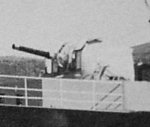
|
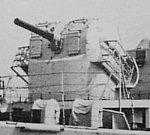
|
|
|
|
|
4"/45
QF HA Mk.XVI
|
Fitted to
|
UGANDA /
QUEBEC, ONTARIO, Tribal class
(Batch 1
and Batch
2), CRESCENT
and ALGONQUIN as
ASW frigates, PRINCE
class AMCs, River and
PRESTONIAN
class frigates
|
|
Role
|
DP
|
Barrels
|
Twin
|
Range
|
18 km
|
Performance
|
15-20 rounds per barrel per minute |
Ammunition
|
Fixed. HE and SAP rounds.
|
Design Date
|
1934
|
Approximate Cdn. Service Dates
|
1943 to 1967.
|
Comments
|
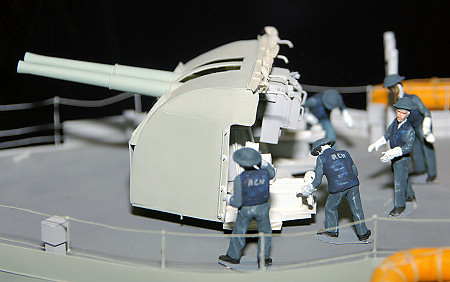
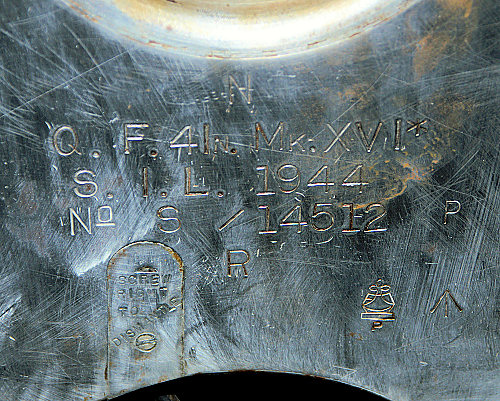
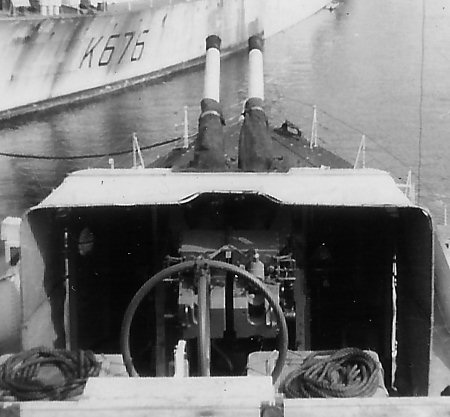
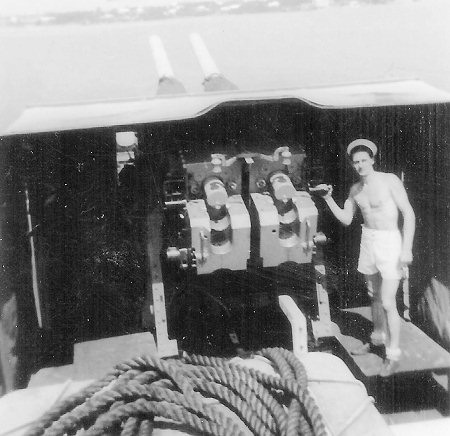
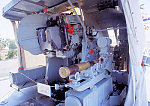
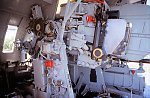
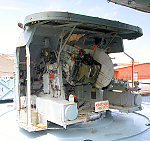
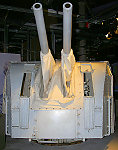
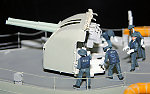
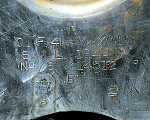
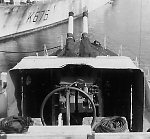
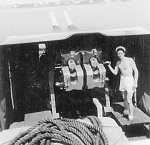
Mk.XIX twin mounting. Mounting on
frigates was
not powered.
|
Sources
|
Naval
Weapons of the World website.
Macpherson, Ken. (1989). Frigates of the Royal Canadian Navy:
1943-1974
. Vanwell Publishing Ltd. St. Catherines, Ont.
Gough, Barry M. (2001). HMCS
HAIDA - Battle Ensign Flying. Vanwell Publishing Ltd. St.
Catharines, ON.
Canadian
War Museum
HMCS HAIDA
National Historic Site
|
Photos 1-4: © M.D. Thomas
Photos 5-8: ©
Sandy McClearn
Photos 9&10: ©
Charles Sadler, courtesy of John Sadler. |
1. On HMS BELFAST.
|
2. On HAIDA.
|
3. On HAIDA.
|
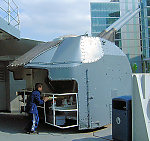
|
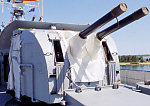
|
|
4.
On HAIDA.
|
5.
On HAIDA.
|
6.
In CWM.
|
|
|
|
7.
On Tribal class model in CWN.
|
8.
In CWM.
|
9.
On JOLIETTE (River class frigate).
|
|
|
|
| 10.
On JOLIETTE (River class frigate). |
11.
|
12.
|
|
|
|
|
|
|
4"/50
Mk.9
|
Fitted to
|
Town class
destroyers.
|
|
Role
|
ASuW
|
Barrels
|
Single
|
Range
|
15 km approx.
|
Performance
|
8-9 rounds per minute |
Ammunition
|
Fixed. AP and HE rounds.
|
Design Date
|
1910
|
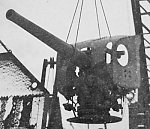
Approximate Cdn. Service Dates
|
1940 to 1945
|
Comments
|
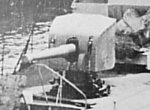
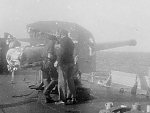
USN gun on Mk.12 mounting.
|
Sources
|
Naval
Weapons of the World website.
Macpherson, Ken. (1985). The
RIVER Class Destroyers of the
Royal Canadian Navy. Charles J. Musson & Associates,
Publishers. Toronto, ON. |
Photo 1: ©DND / National
Archives of Can.
Photo 2: ©DND
Photo 3: ©
Charles Sadler, courtesy of John Sadler.
|
1. In Naval yard.
|
2. On HMS BURNHAM.
|
3. On COLUMBIA.
|
|
|
|
|
|
|
4.7"/45
QF Mk.IX
|
Fitted to
|
River and
V class
destroyers
|
|
Role
|
ASuW
|
Barrels
|
Single
|
Range
|
15.5 km
|
Performance
|
10-12 rounds per minute for Mk.XXII
mounting, otherwise 7-10 rounds per minute
|
Ammunition
|
Separate. HE, SAP, and illumination
rounds. |
Design Date
|
1928
|
Approximate Cdn. Service Dates
|
Mk.CPXIV mounting: 1931 - 1945.
Mk.CPXVII / CPXVIII mountings: 1943 - 1946.
Mk.CPXXII mounting: 1944 - 1963.
|
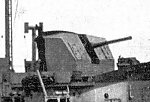
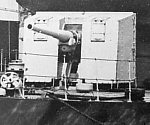
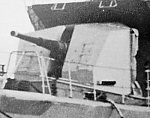
Comments
|
SAGUENAY and SKEENA and similar
destroyers used Mk.CPXIV mounting, while later River class ships used
Mk.CPXVII or CPXVIII mountings. The V class used the later Mk.CPXXII
mounting with a new gun shield which allowed higher maximum elevation.
The gun is similar to the Mk.XII used in twin mountings on the Tribal
class.
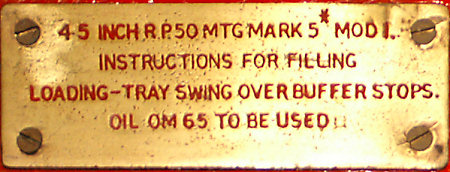
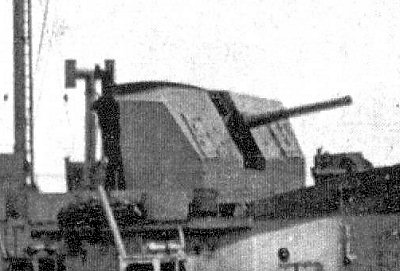
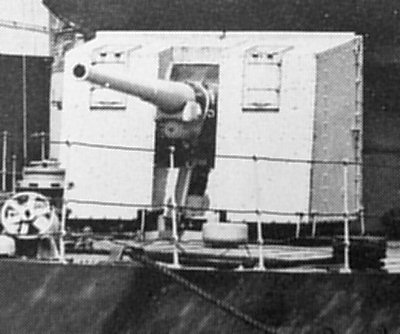
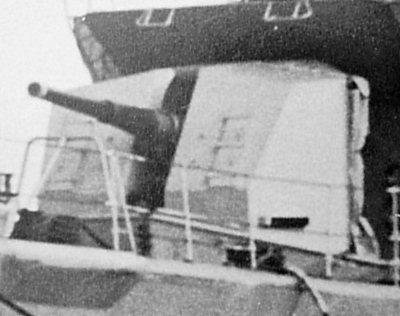
Though the gun shield on this mounting is similar to the gun shield on
the 4.5" mountings on the C class destroyers (see above), this mounting
can be identified by the lack of a raised window structure on the right
of the
mounting.
|
Sources
|
Naval
Weapons of the World website.
Macpherson, Ken. (1985). The
RIVER Class Destroyers of the
Royal Canadian Navy. Charles J. Musson & Associates,
Publishers. Toronto, ON.
|
Photos 1-3: © DND.
|
1. On SIOUX (V class). |
2. On River class.
|
3. On SIOUX.
|
|
|
|
|
|
4.7"/45
QF Mk.XII
|
Fitted to
|
Tribal class (Batch 1
and Batch
2) destroyers (except ATHABASKAN
(2) and CAYUGA)
|
|
Role
|
ASuW
|
Barrels
|
Twin
|
Range
|
15.5 km |
Performance
|
12 rounds per minute |
Ammunition
|
Separate. HE, SAP, and illumination
rounds. |
Design Date
|
1928 |
Approximate Cdn. Service Dates
|
1943 to 1952.
|
Comments
|
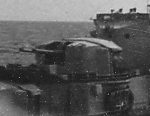
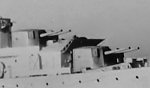
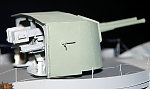
Gun similar to Mk.IX, but modified for
the new CPXIX twin
mounting. These mountings were replaced on the Tribal class with the
4"/45 Mk.16 twin mounting during the DDE
refits. Two of the second batch of these ships, ATHABASKAN (2) and
CAYUGA, were built with the 4"/45 Mk.16 mounting instead of the 4.7"/45.
|
Sources
|
Naval
Weapons of the World website.
Gough, Barry M. (2001). HMCS
HAIDA - Battle Ensign Flying. Vanwell Publishing Ltd. St.
Catharines, ON.
Canadian
War Museum
|
Photos 1&2: © DND / RCL
White Ensign.
Photo 3:
© Sandy McClearn
|
1. On HAIDA.
|
2. On ATHABASKAN (1).
|
3. On Tribal class model in CWM.
|
|
|
|
|
|
|
5"/54
(OTO-Melara) Compact
|
Fitted to
|
IROQUOIS
class (pre-TRUMP)
|
|
Role
|
DP
|
Barrels
|
Single
|
Range
|
23 km
|
Performance
|
40 rounds per barrel per minute |
Ammunition
|
Separate. HE-PD, HE-VT,
HE-CVT, HE-IR, and Illum-MT rounds.
|
Design Date
|
1968
|
Approximate Cdn. Service Dates
|
1972 to 1994. |
Comments
|
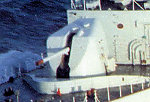
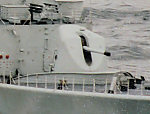
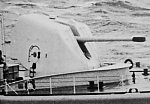
Italian OTO-Melara mounting. Two of these
mountings were refurbished by OTO-Melara for use on the new Dutch DE
ZEVEN PROVINCIEN class destroyers.
|
Sources
|
Naval
Weapons of the World website. |
Photo 1: © DND via Corvus
Publishing.
Photo 2: © DND via RCNA
Peregrine.
Photo 3: ©
DND.
|
1. On ATHABASKAN.
|
2. On IROQUOIS.
|
3.
|
|
|
|
|
|
Additional Sources:
Barrie, Ron and Macpherson, Ken. (1996). Cadillac of
Destroyers: HMCS ST. LAURENT and Her Successors.
Vanwell Publishing Ltd. St. Catherines, Ont.
Steed, Roger G. (1999). Canadian Warships Since 1956.
Vanwell Publishing Ltd. St. Catherines, ON.
Jane's Fighting Ships, Various Editions
Conway's All The World's Fighting Ships, Various Editions
Corvus Publishing Group / Canada's Navy Annual. Various
Issues. (1985-1991)
With information from the files of Mike Potter.
Correspondence with B. Lake.
Photos from M.D. Thomas.
|